

by Heather R. Darsie, JD
Today, Dear Reader, 20 February, is the anniversary of Edward VI of England’s coronation in 1547. As I do from time to time, I posted a little info about it on social media. I also mentioned that Edward’s father, Henry VIII of England, was buried days earlier at St. George’s Chapel in Windsor. A curious interaction followed afterward.
A person commented on my post, stating (I assume disapprovingly, from what followed) that Henry VIII was buried in St. George’s. I confirmed. The person then effectively said that it was a disgrace, and said that Henry deserved to buried in “a pauper’s grave” for all the people killed as a direct or indirect result of his actions. Never mind that several of the people that died after crossing Henry had their own agency and, in a lot of cases, could have predicted such an outcome for their behaviour. That is a topic for a different day.
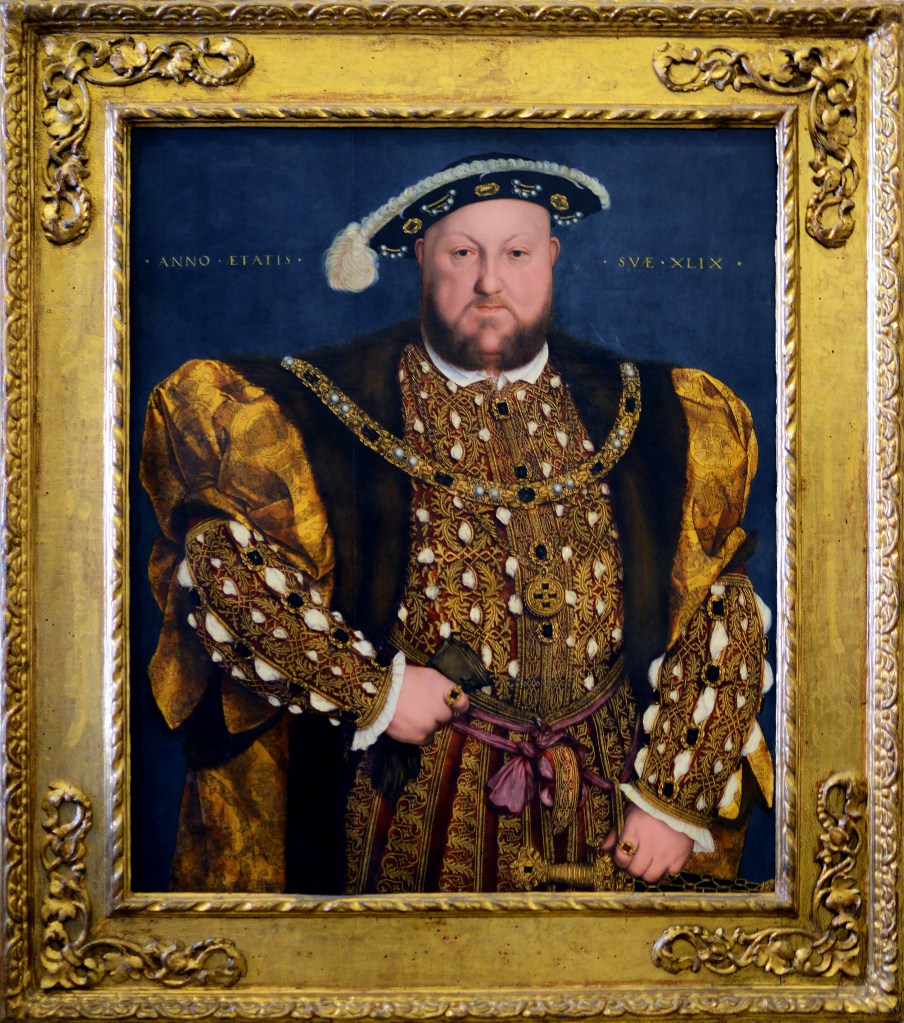
What vexed me about this comment was the implication that people buried in “a pauper’s grave” are somehow unworthy, evil, etc, of a proper burial or a glorious tomb marker. This could not be farther from the truth. Individuals buried in pauper’s graves had the misfortune of coming from poor families, or being abandoned by their family of origin for having severe mental or physical disability, or they died as an unidentified person. That does not mean that the individuals were unloved, uncared for, or hateful, evil, people. All it points to is that Lady Fortune’s wheel did not spin into a financially secure position for the person in the pauper’s grave during their lifetime.
The reason I care so much about this and am writing this missive is because the comment and its implications wounded me. My maternal great-grandmother, grandmother, and mother lived in extremely impoverished conditions in New York City in the 1940s, 1950s, and 1960s. My maternal grandmother, born 8 August 1918, had to forgo vital medical care as a result. She ignored pain in her abdomen for a very long time before she began hemorraghing on Thanksgiving 1965. She died in January 1966 of Stage IV ovarian cancer. My mother was a minor, my maternal grandfather was shell-shocked from World War II and had abandoned my mother and maternal grandmother years before. My great-grandmother was an elderly, poor widow. There was no one to pay for a funeral or grave site for my maternal grandmother.
As a result of my maternal family’s poverty in the 1960s, my grandmother was buried in a pauper’s grave. The city did maintain records as to the locations of said graves, but a fire in the archives in the 1970s wiped out such records. My mother attempted to visit the site in the early 1990s where she believed that my maternal grandmother was buried, only to find a parking lot for a fast food restaurant. Our family is none the wiser as to whether my grandmother is under a parking lot or if she is in a quiet corner of a pauper’s cemetery as an unidentified person.
The only crime that my maternal grandmother committed was that of being poor. I cannot find her grave, despite reaching out for records.
I am telling you this, Dear Reader, to respectfully ask that you consider very carefully any strong feelings that you have about people who died 500 years ago. Whether the fate you wish upon that person or their corpse is appropriate, and whether it would offend the sensibilities of any readers. While it is important to have reasoned public debate, we should aim to have just that, and not wish perceived societal ills on others, alive or dead.
The person who posted about Henry VIII deserving to be buried in “a pauper’s grave” did apologize, which was very welcome. I do ask that all of you please think before you comment; we never know who we are hurting with our words today when we wish ill upon the dead of yesteryear.
 Maidens and Manuscripts: Taking a fresh look at people and events from 1347 to 1625, with a focus on women and illuminated manuscripts
Excellent point. We are often thoughtless with our comments. And especially any form of angry emoting of this sort does not seem appropriate here as well as potentially hurtful.
LikeLiked by 2 people
This was a sad read, and I’m very sorry that someone made such a remark that wounded you in such a sensitive area, Heather. It was good of you to write this and to share the story about your mother and grandmother. I assume — I hope! — that the original commentator did not mean to slight poor people, only to say in a clumsy way that Henry VIII was unworthy of the pomp and power Lady Fortune had given him . . . but there are of course much better ways of making such a point, one that does not involve “punching down” through our use of language, and this is such an important thing for us all to keep in mind when we express strong views on any matter, present or historical. Thank you for that reminder, and for what it’s worth, I think your grandmother would be very proud of you and the rich intellectual life you have carved out for yourself. And so, regardless of where her grave is now, I am sure she is not there — she is with you.
LikeLiked by 1 person
That brought me to tears. Thank you for your kind words, and I’m glad that you understand my perspective.
LikeLiked by 1 person
It is funny the way conversations can go. I think some people just like to stir things up and see what happens. I understand how your feelings could be hurt and how someone’s remarks can cause discomfort. It is the price we all pay for those who put their thoughts out in public for all to see.
LikeLike
It is still crude to equate poverty to evil.
LikeLike
I agree.
LikeLiked by 1 person