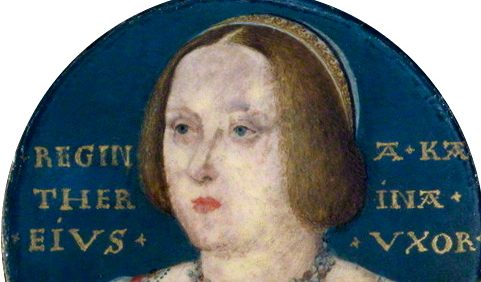
Katharine of Aragon and the Castilian Grain Crisis

by Heather R. Darsie, J. D. Katharine of Aragon spent an agonizing seven years in England waiting for her future to find her. Although it was surely a depressing, demoralizing time, going back to Spain might have been more dangerous for Katharine. Things were not safe and secure as the Iberian peninsula, and particularly the Crown of Castile and León, faced crisis after crisis. One … Continue reading Katharine of Aragon and the Castilian Grain Crisis

Katharine of Aragon’s Spanish Legacy in England

by Heather R. Darsie, J. D. Katharine of Aragon left an indelible mark on Tudor England that remains to present time. We are still talking about her. Katharine’s life and the struggle she faced impacted her tremendously, and left a huge impression on her daughter Mary. This very evident when looking at who Mary I, England’s first queen regnant, chose as a husband and the … Continue reading Katharine of Aragon’s Spanish Legacy in England

“Mine Utter Overthrow”: Robert Dudley’s Secret Remarriage

a guest post by Sylvia Barbara Soberton Robert Dudley is remembered mostly as Elizabeth I’s master of the horse and possible lover. The two knew each other since childhood and when Elizabeth became queen they became inseparable. Robert was a married man at the time and his involvement with the Queen – their private meetings, hunting escapades and intimacy – added to the scandal. When … Continue reading “Mine Utter Overthrow”: Robert Dudley’s Secret Remarriage

Restoration of Anna of Cleves Portrait

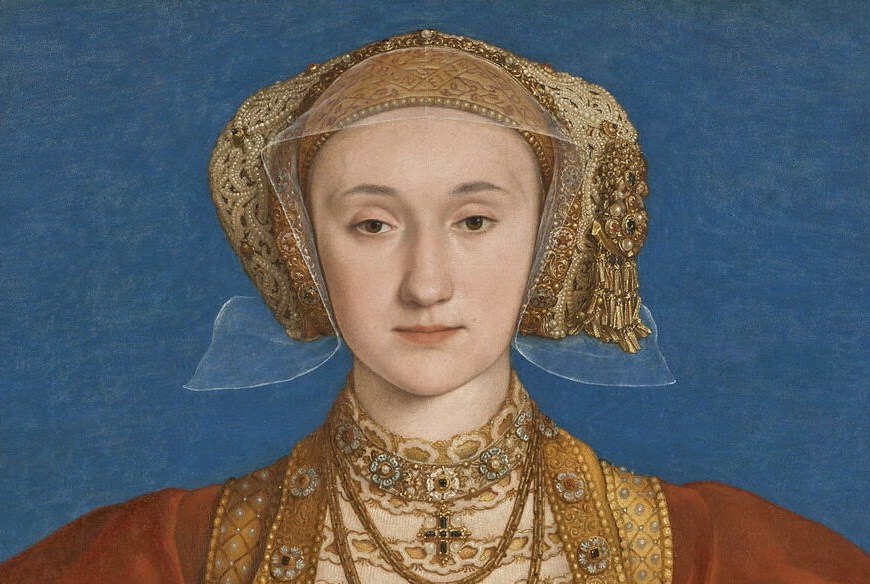
by Heather R. Darsie, JD Please note that this was originally published at On the Tudor Trail. After decades of being on display at the renowned Louvre Museum in Paris, the dark, shadowy portrait of Anna of Cleves has been restored. The portrait was executed by Hans Holbein the Younger in 1539. An eager Henry VIII of England sent the German master to the United … Continue reading Restoration of Anna of Cleves Portrait

The Consummation of Anna of Cleves’ and Henry VIII’s Marriage

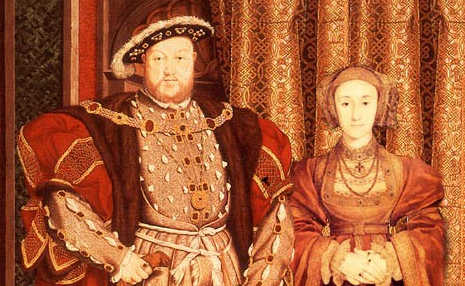
by Heather R. Darsie, J.D. For decades, if not centuries, it has been assumed that Henry VIII of England and Anna of Cleves never consummated their marriage. The Secret Council that met to devise a way for Henry to have an annulment of his marriage to Anna, rather than a divorce, knew that they had to create air-tight documents to support the idea that Henry … Continue reading The Consummation of Anna of Cleves’ and Henry VIII’s Marriage

The False Anna of Cleves

by Heather R. Darsie, J. D. Anna of Cleves died in July 1557, having reached her forty-second birthday weeks before. Curiously, in 1558, a woman who possessed Anna’s signet ring showed up at the court of Anna’s nephew, John Frederick the Middle. She had an interesting story for the young man, Who was this woman? Was she an illegitimate half-sister of Anna’s, or a cousin? … Continue reading The False Anna of Cleves

Anna of Cleves and the Wyatt Rebellion

by Heather R. Darsie, J. D. Anna of Cleves’ life in England improved substantially after her stepson Edward VI died in 1553. Anna and Mary I of England were very friendly with each other. Anna resumed coming to court, and even tried to help her friend Mary find a suitable husband. Mary wound up desiring a Spanish match, of which some in England unfortunately did … Continue reading Anna of Cleves and the Wyatt Rebellion

Anna of Cleves’ Early Life and Court Culture

by Heather R. Darsie, JD Anna von der Mark was born on 28 June 1515 as the second daughter and second child of Johann III of Cleves-Mark and Maria of Jülich-Berg. She followed another daughter, Sybylla, who was born 17 July 1512. Anna was named after her paternal aunt Anna, the only legitimate daughter of Duke Johann II of Cleves-Mark. Anna’s place of birth is … Continue reading Anna of Cleves’ Early Life and Court Culture

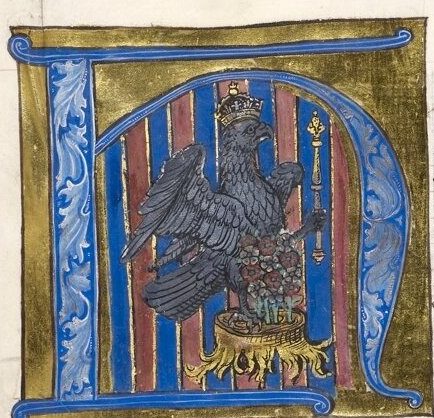
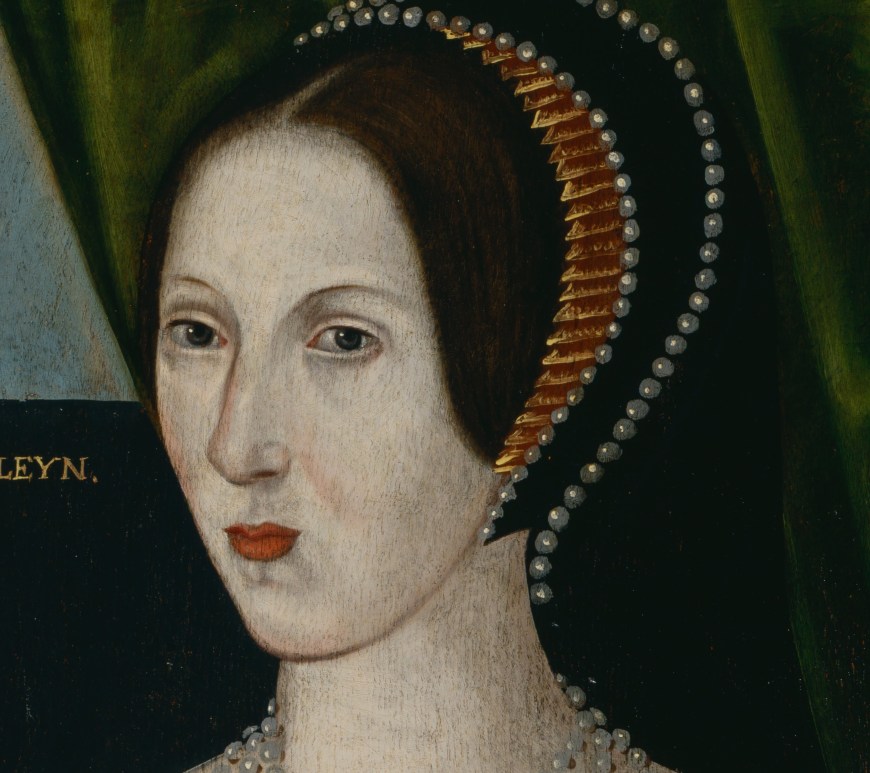
Anne Boleyn’s Coronation

by Heather R. Darsie, J.D. Anne Boleyn’s coronation, like those of her predecessors, took into account aspects of her personality and future ideological role. As the first Renaissance English queen, Anne was not only seen as an intercessor between the public and the king, but also as part of Henry VIII’s body politic. This idea was established in the 15th century, most firmly so with … Continue reading Anne Boleyn’s Coronation