The Scythian Lamb, or the Delectable Lamb-Vegetable of Tartary

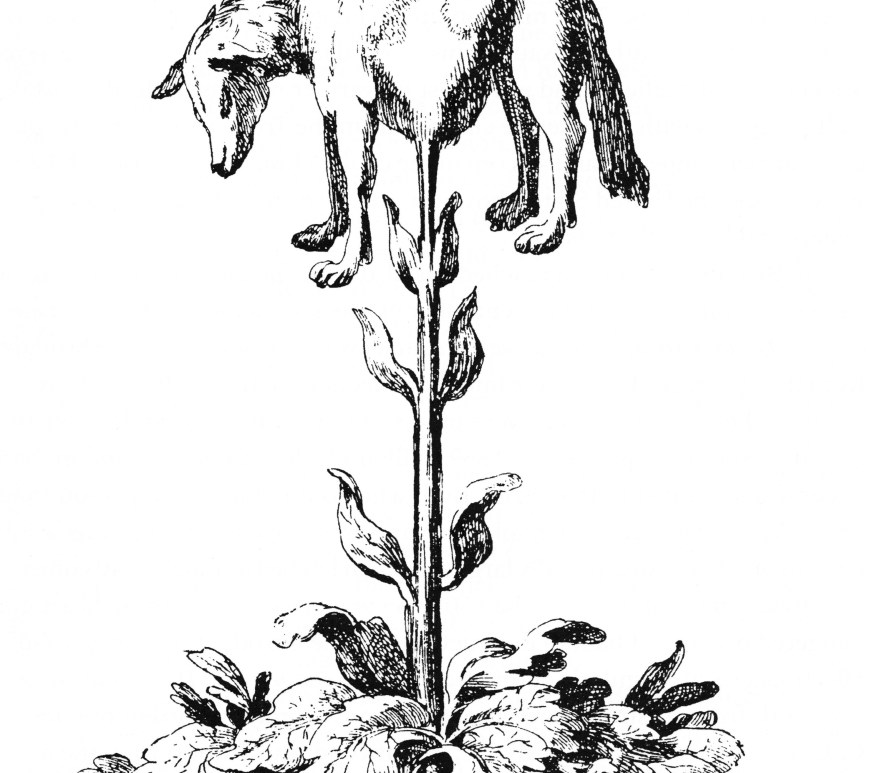
by Heather R. Darsie In the Middle Ages, rumour spread that there was a mythological zoophyte known as the Scythian Lamb or the Borametz. Herodotus, from the fifth century BCE and Theophrastus of the third century BCE wrote of the Scythian Lamb, bolstering credibility that such a thing existed. An additional source for the rumour was found in a Jewish text from 436 called, Talmud … Continue reading The Scythian Lamb, or the Delectable Lamb-Vegetable of Tartary

The Poetry of Anne Boleyn: Sir Thomas Wyatt’s Sorrow

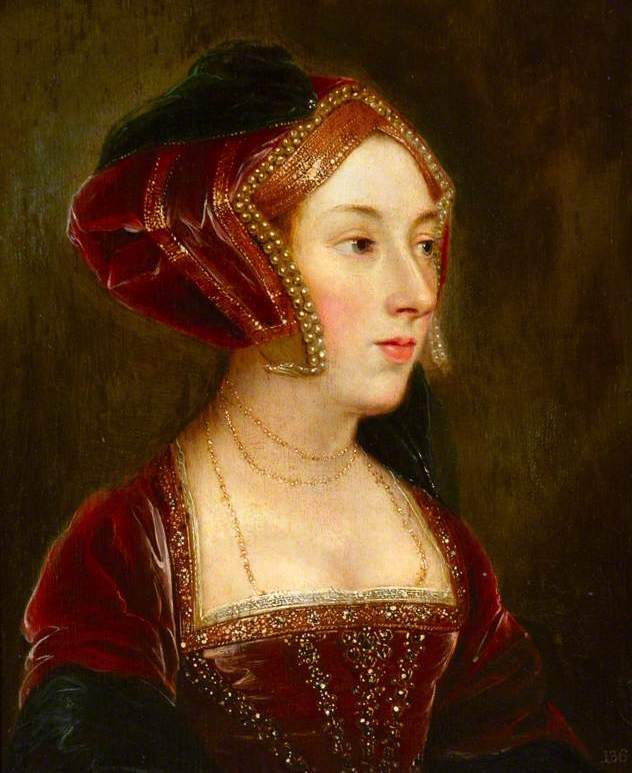
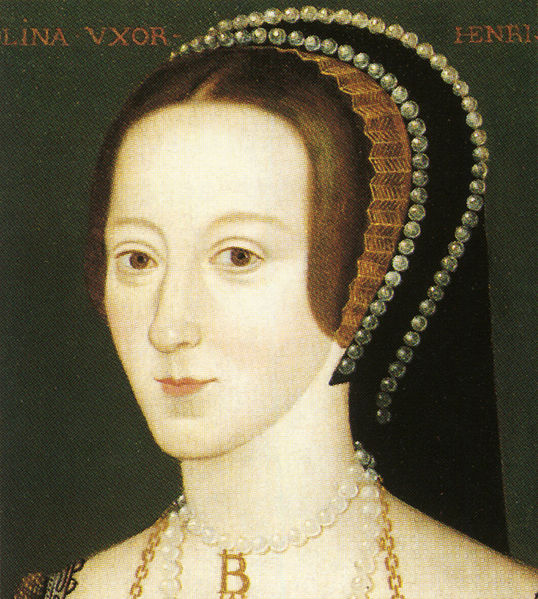
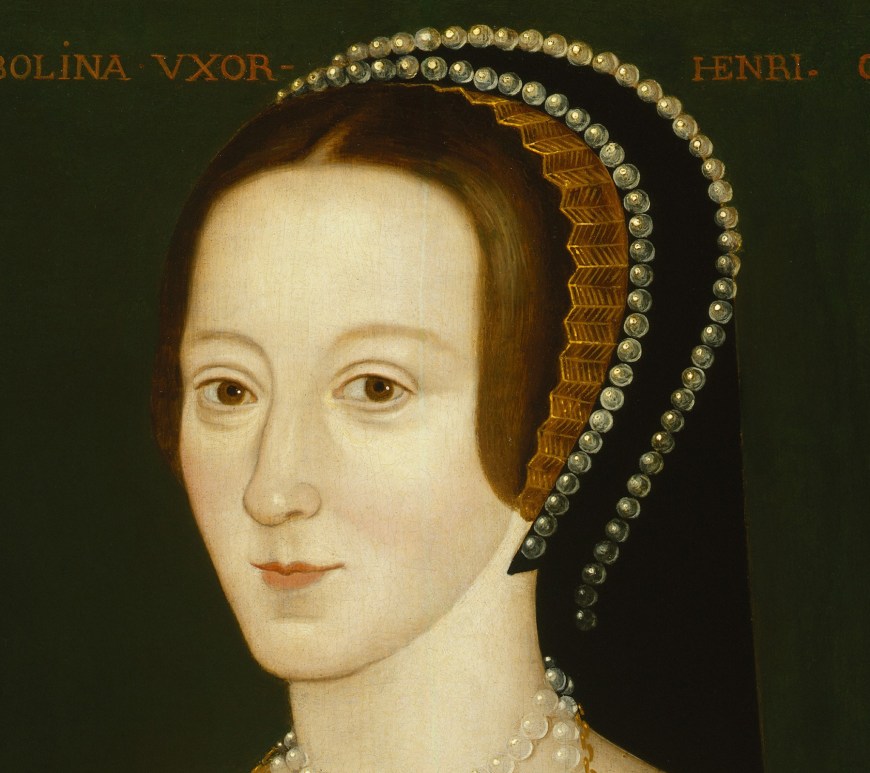
by Heather R. Darsie After Anne Boleyn’s startling arrest on 2 May 1536, several other men accused of being her accomplices in treasonous adultery were arrested. Sir Thomas Wyatt himself was arrested, but later released without charges. While he was in the Tower, it is traditionally thought that Wyatt wrote the following poem: Believed to be a late 16th century copy of a portrait of … Continue reading The Poetry of Anne Boleyn: Sir Thomas Wyatt’s Sorrow

The Poetry of Anne Boleyn: Sir Thomas Wyatt’s Anger

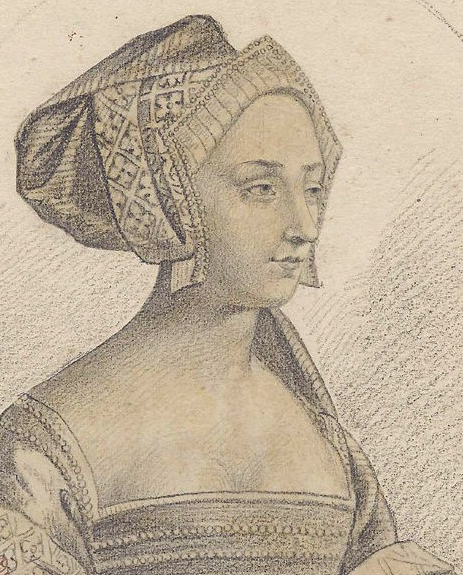
by Heather R. Darsie Another poem written by Sir Thomas Wyatt and allegedly about Anne Boleyn shows how upset he was at Anne for losing her. Calling her an old mule and pointing out that she now had a few grey hairs, Wyatt repeatedly calls the subject of the poem a “mule.” Devira Achille, protrait of Anne Boleyn for a lithography project in 2016, via … Continue reading The Poetry of Anne Boleyn: Sir Thomas Wyatt’s Anger

The Poetry of Anne Boleyn: Sir Thomas Wyatt’s Infatuation

by Heather R. Darsie There was and yet is the rumour that Sir Thomas Wyatt, Tudor-era poet and diplomat, was in love with Anne Boleyn. Wyatt was born in 1503, making him either three years younger or four years older than Anne Boleyn. Wyatt entered Henry VIII’s service in 1526. It was right around this time that Henry’s desire for Anne was becoming known at … Continue reading The Poetry of Anne Boleyn: Sir Thomas Wyatt’s Infatuation

The Poetry of Anne Boleyn: Second Poem

by Heather R. Darsie A second poem is attributed to Anne Boleyn, and perhaps written shortly after her trial on 15 May 1536. Despite bravely defending herself against slanderous claims, Anne was found guilty of adultery and incest. It was obvious to her that the charges were a way for Henry to rid himself of Anne Boleyn so Henry could marry the more passive Jane … Continue reading The Poetry of Anne Boleyn: Second Poem

The Poetry of Anne Boleyn: First Poem

by Heather R. Darsie Anne Boleyn, Queen Consort of England and mother of Elizabeth I, was arrested on 2 May 1536 for allegedly committing adultery whilst married to Henry VIII of England. Anne’s trial came on 15 May, where she was found guilty of the charges. On 19 May 1536, Anne Boleyn was executed. During her time in the Tower, Anne may have written two … Continue reading The Poetry of Anne Boleyn: First Poem

My Adventures with the Duchess of Cleves!

by Heather R. Darsie Dear Reader, thank you so much for your support and interest during my journey to write a biography about Anna of Cleves from the German perspective. My travels took me all over Europe and parts of the US. Below are pictures of me doing Anna-related things, which I would like to share with you.   Here I am at the Louvre, … Continue reading My Adventures with the Duchess of Cleves!

Love Letter Sixteen from Henry VIII to Anne Boleyn

by Heather R. Darsie The sixteenth love letter from Henry VIII to Anne Boleyn was written around the middle of September 1528. Pope Clement VII, captured by the Holy Roman Emperor Charles V in June 1527 after the sacking of Rome in May, was still Charles V’s prisoner. The Pope did not return to Rome until October 1528. When Henry wrote this letter, he was … Continue reading Love Letter Sixteen from Henry VIII to Anne Boleyn

The Revenge of Margaret Pole

by Heather R. Darsie In case you missed it on QueenAnneBoleyn.com On 28 July 1540, a great, accomplished man of Tudor Times was beheaded on Tower Hill. That man was Thomas Cromwell, briefly the 1st Earl of Essex, and Henry VIII’s Chief Minister. Cromwell sought to reform and consolidate the legal system the secular legal system and move away from canon law. Cromwell succeeded in establishing … Continue reading The Revenge of Margaret Pole

The End of Kett’s Rebellion

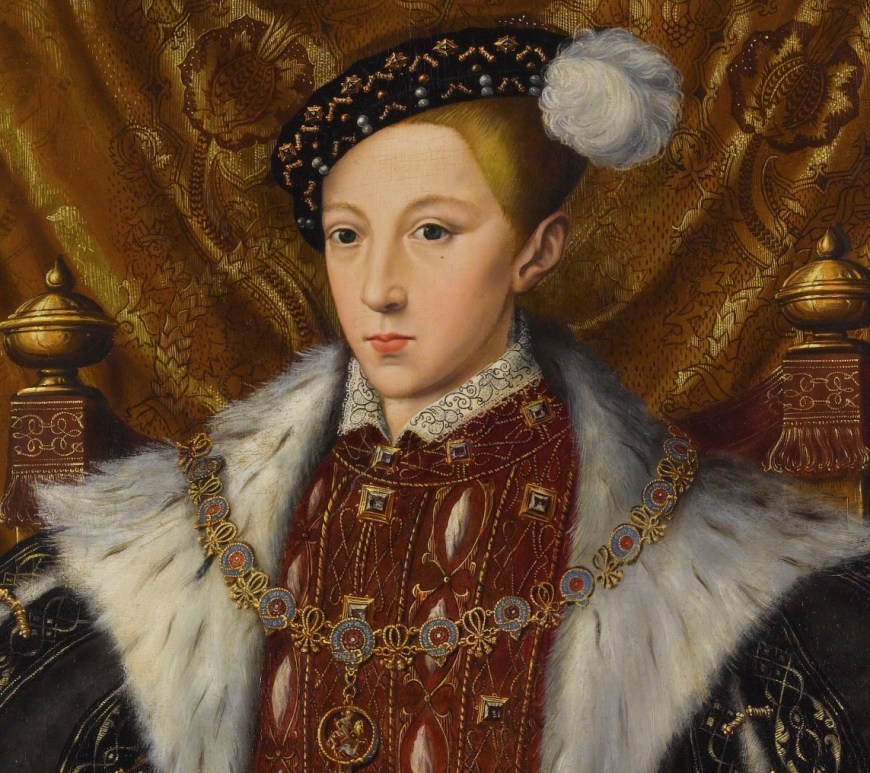
by Heather R. Darsie July, 1549. The almost twelve-years-old Edward VI had been King of England for two-and-a-half years. Landlords had begun enclosing the common lands, which prevented peasants from being able to have a place for their animals to graze. Several landlords had taken to raising sheep, as the English wool trade was growing quite prosperous. This, in concert with a host of other … Continue reading The End of Kett’s Rebellion