A Simplification of English Heraldry and Comment on the Arms of the Duke and Duchess of Sussex

by Heather R. Darsie In case you missed it on http://queenanneboleyn.com/2018/05/27/simplification-english-heraldry-comment-arms-duke-duchess-sussex-heather-r-darsie/ On Saturday, 19 May 2018, Prince Harry was declared Duke of Sussex in the early morning before his wedding. Through her marriage to the Duke of Sussex, Rachel Meghan Markle became HRH Princess Henry, the Duchess of Sussex, Countess of Barton, and Baroness Kilkeel. On 25 May 2018, the marital arms of the Duke and … Continue reading A Simplification of English Heraldry and Comment on the Arms of the Duke and Duchess of Sussex

Love Letter Thirteen from Henry VIII to Anne Boleyn

by Heather R. Darsie “The approach of the time for which I have so long waited rejoices me so much, that it seems almost to have come already.” Anne Boleyn by Andern Holt, 19th century, via Wikimedia Commons These joyful words from the besotted Henry VIII of England were written to Anne Boleyn either shortly before or shortly after 17 May 1527.* On that date, … Continue reading Love Letter Thirteen from Henry VIII to Anne Boleyn

Margaret of York, Duchess Consort of Burgundy

by Heather R. Darsie In case you missed it on 3 May 2018 at http://queenanneboleyn.com/2018/05/03/margaret-york-duchess-consort-burgundy-heather-r-darsie/ On 3 May 1446, the future Edward IV of England and his parents welcomed a baby girl. She was named Margaret, possibly after Margaret of Anjou, who was Queen Consort of England at the time. Margaret of York’s life was greatly influenced by her brother Edward, and her prominence rose with … Continue reading Margaret of York, Duchess Consort of Burgundy

Dance Until You Die: an Introduction to Ergotism during the Renaissance

by Heather R. Darsie, J.D. On an otherwise normal July day in Strasbourg, a woman named Mrs. Troffea began slowly dancing in the street. The year was 1518. Over in England, Katharine of Aragon was pregnant with her last child by Henry VIII. In France, Anne Boleyn was at Queen Claude’s court. And over in Germany, Anna of Cleves was still just a toddler. Mrs. … Continue reading Dance Until You Die: an Introduction to Ergotism during the Renaissance

Who were the Huguenots? A Brief History Concerning the 1500’s

by Heather R. Darsie The Huguenots were French Protestants, formed as a part of the general Reformation that started in Germany because of Martin Luther and swept through the Continent. It hit France around 1517, where the movement quickly grew in popularity. The movement was particularly popular in French areas where the population was unhappy with the government or areas that were experiencing economic hardship.    … Continue reading Who were the Huguenots? A Brief History Concerning the 1500’s

Love Letter Twelve from Henry VIII to Anne Boleyn

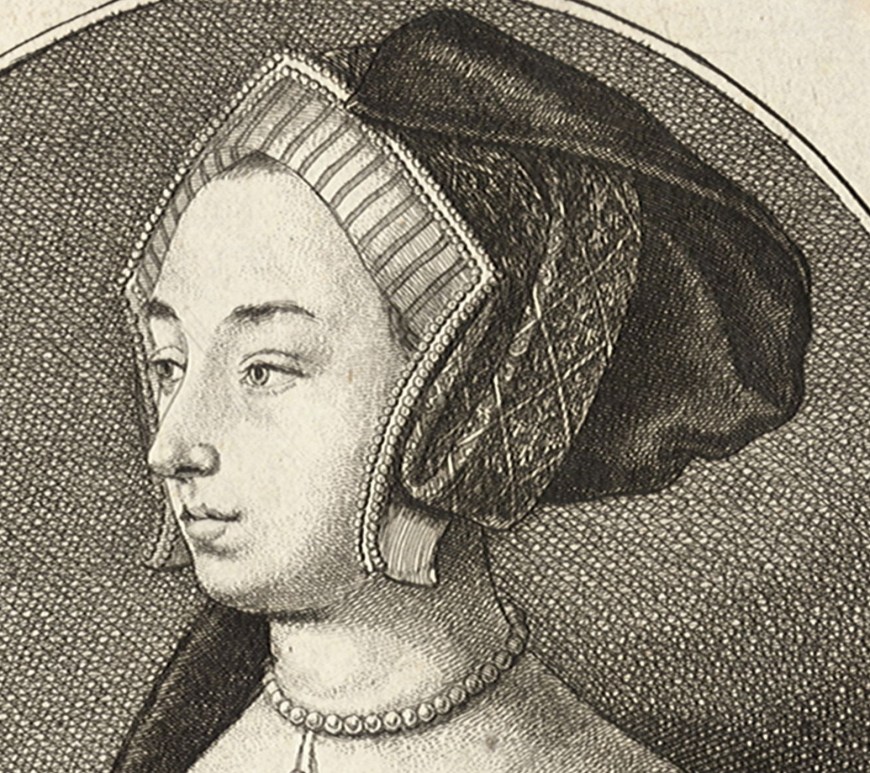
by Heather R. Darsie The twelfth love letter from Henry VIII to Anne Boleyn is a doozy, colloquially speaking. It shows the passion Henry has for Anne, the court intrigues of the Boleyn family, issues Henry had with religious entities in England, and was likely written just before Cardinal Wolsey made a brazen move counter to Henry’s wishes. Let us begin.  Wenceslaus Hollar, via Wikimedia … Continue reading Love Letter Twelve from Henry VIII to Anne Boleyn

The Eleventh Love Letter from Henry VIII to Anne Boleyn

by Heather R. Darsie In case you missed Love Letter Eleven on Tudors Dynasty at http://www.tudorsdynasty.com/the-love-letters-from-henry-viii-to-anne-boleyn/ The tone of this letter from late June 1528 is in stark contrast to Henry VIII’s previous two letters to Anne Boleyn: not only is he overjoyed that Anne has escaped death from the Sweat, he is also quite flirtatious. From the contents of the letter, it seems the two … Continue reading The Eleventh Love Letter from Henry VIII to Anne Boleyn

About Lady Day

by Heather R. Darsie In case you missed it on Tudors Dynasty at  http://www.tudorsdynasty.com/about-lady-day-and-other-major-days-guest-post/ The Christian Feast of the Annunciation takes place on 25 March of every year. It celebrates the day when the Virgin Mary learned that she had immaculately conceived Jesus. Beginning in 1155, 25 March was celebrated as the start of the new year in England. To the Tudors, the holiday was … Continue reading About Lady Day