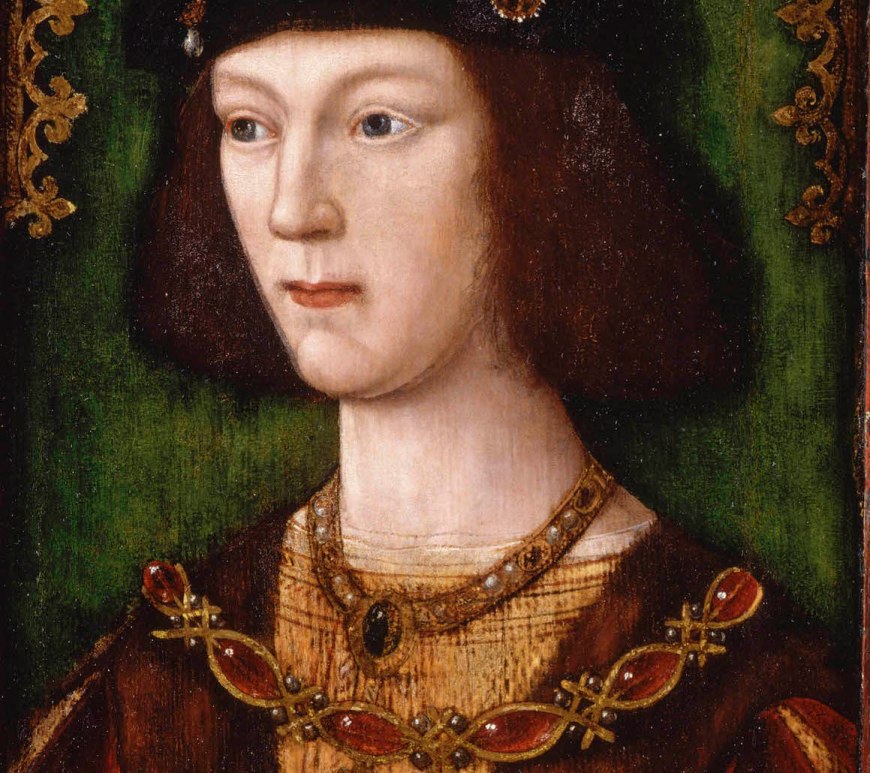
1519: A Tudor Year in Review

by Heather R. Darsie The year 1519 was a year of massive changes, important births, and important deaths in Western Europe. Some of these impacted Henry VIII’s reign, whilst others did not come meaningfully into play until the reigns of Henry’s daughters. Henry VIII turned 28 years old in 1519, and was still young-minded. Births and Deaths Maximilian I von Habsburg, Holy Roman Emperor, died … Continue reading 1519: A Tudor Year in Review

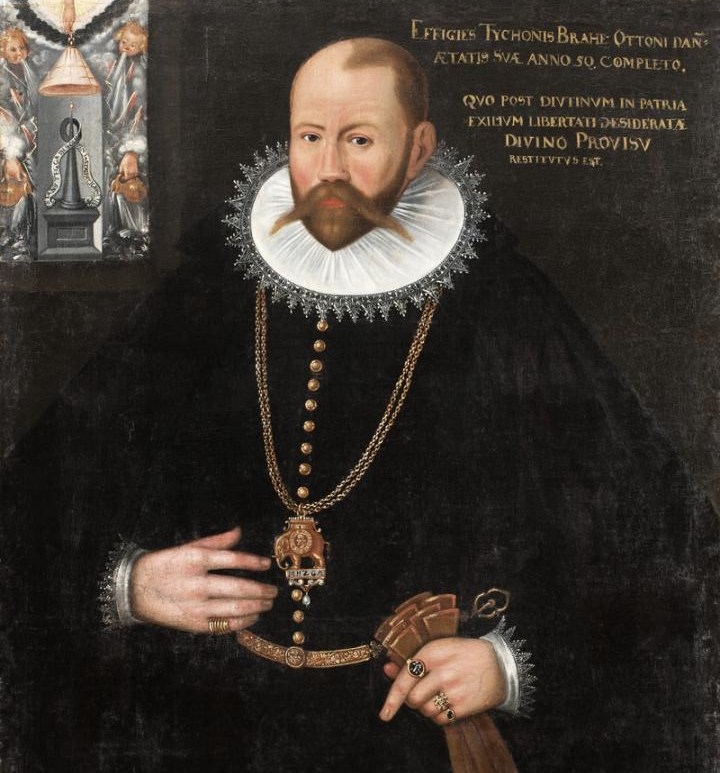
Of Dwarves, Pet Elk, and Gold Noses: Tycho Brahe, Danish Astronomer

by Heather R. Darsie Tyge Ottensen Brahe, or Tycho Brahe as he is usually known to English speakers, was born on 14 December 1546 on the Danish peninsula of Skania. Tycho was born into a noble family and benefited from an excellent education. He was very passionate about mathematics, which caused him grave disfigurement. How, exactly, does one become disfigured because of mathematics? Why, by … Continue reading Of Dwarves, Pet Elk, and Gold Noses: Tycho Brahe, Danish Astronomer

What’s in a Name: Latin Titles

by Heather R. Darsie How important is it to understand Latin when sorting a monarch’s status in Medieval and Early Modern portraiture? A monarch’s title indicates over what he or she rules. There is a long history of the use of Latin to specify over who and what a monarch rules. Looking back into the Ancient period, when civic identity was paramount, the only things … Continue reading What’s in a Name: Latin Titles

Is Today Really Anna of Cleves’ Birthday?

by Heather R. Darsie Tradition has held for the last couple hundred years or so that Anna of Cleves, fourth wife to Henry VIII of England, was born 22 September 1515. No proof has ever been put forward to support that date. However,  primary source exists which shows Anna’s date of birth as 28 June 1515, making her exactly twenty-four years younger than Henry VIII. … Continue reading Is Today Really Anna of Cleves’ Birthday?

Anne Boleyn: The Difference of 1,100 Days

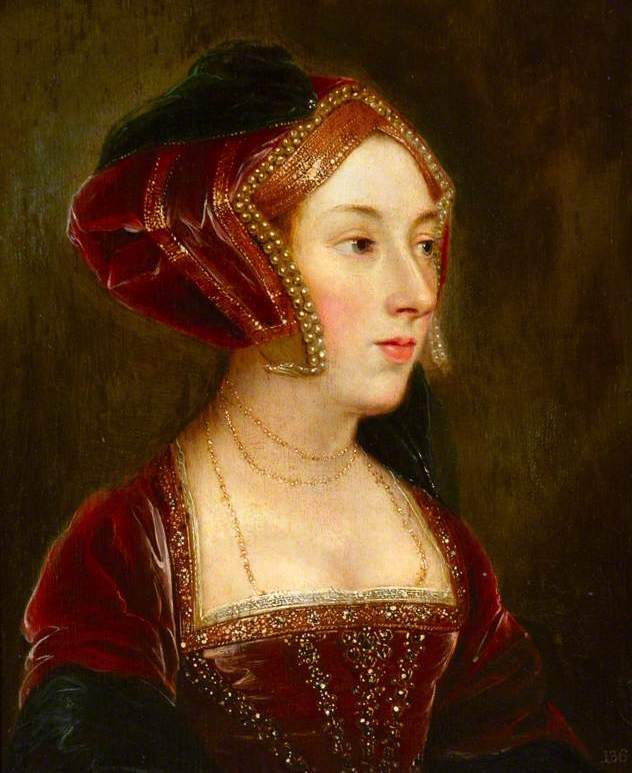
By Heather R. Darsie On 15 May 1536, Anne Boleyn was put on trial for her alleged crimes against Henry VIII. Three years earlier, a roughly five-months pregnant Anne and her husband Henry were learning that things were leaning in favor of their marriage. Henry and Anne secretly wed around 14 November 1532 in Dover, then officially secretly wed (confusing, I know) in January 1533 … Continue reading Anne Boleyn: The Difference of 1,100 Days

The Increasing Horrors of War in 16th Century Western Europe

by Heather R. Darsie The 16th century saw rapid changes in military capabilities. The medieval knight and a knight’s form of armor and fighting reached peak efficiency by around 1450. After 1450, advances in military science made armor more and more vulnerable. The advent of pike attacks and guns made armor almost ineffective, and the flat walls of many fortifications made excellent targets for canon … Continue reading The Increasing Horrors of War in 16th Century Western Europe

Jeanne d’Albret

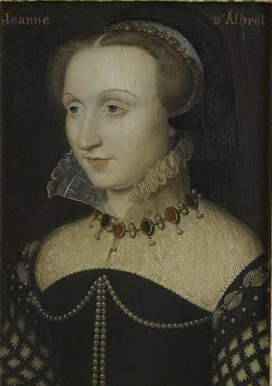
by Heather R. Darsie Please note that this article first appeared here. Jeanne d’Albret was born on 16 November 1528 to Marguerite d’Angoulême and Henri II of Navarre at the Parisian Saint Germain-en-Laye palace. Henri was Marguerite’s second husband. Marguerite had two children with Henri, but only Jeanne survived. Jeanne was the niece of the French king, Francois I, who dearly loved his elder sister Marguerite. … Continue reading Jeanne d’Albret

Juana of Castile and Her Madness

by Heather R. Darsie Juana la Loca, or Joanna the Mad, was the elder sister of Catherine of Aragon and sister-in-law to Henry VIII of England. Juana was born on 6 November 1479, a daughter of the formidable Isabella of Castile and Isabella’s husband Ferdinand of Aragon. Juana was known during her lifetime as Juana of Castile.  Juana married Philip von Habsburg, known as the … Continue reading Juana of Castile and Her Madness

16th Century Religious Reformation: What Did the Term “Reform” Mean?

by Heather R. Darsie The idea of ‘reform’ is multifaceted, with its meaning changing from Reformer to Reformer. This article looks at the German Martin Luther’s,  itinerant German-turned-Swiss preacher Melchior Hoffman’s, and Swiss Heinrich Bullinger’s basic thoughts on church reform. It is by no means inclusive of all their ideas, but is hopefully a springboard for further discussion. Martin Luther, who famously posted his 95 … Continue reading 16th Century Religious Reformation: What Did the Term “Reform” Mean?

Death of a Matriarch: Eleonore Helena of Portugal

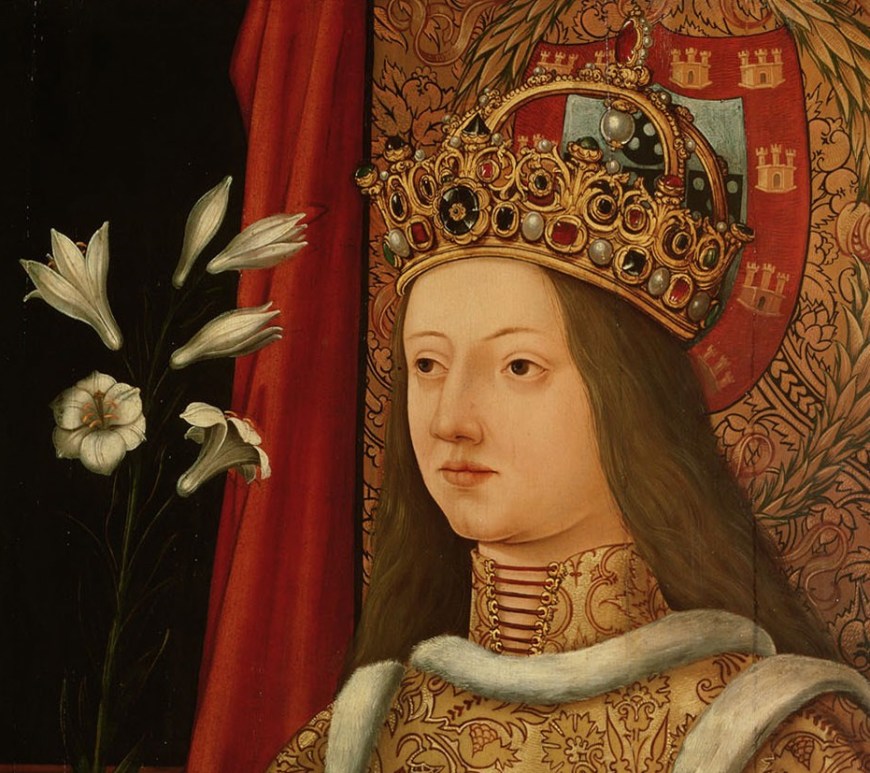
by Heather R. Darsie On 3 September 1467, Empress Eleonore Helena passed away. Born on 18 September 1434 as Eleonore d’Aviz of Portugal, she was not quite thirty-three years old when she died. Eleonore was one of nine children, the sixth born overall, and one of five daughters. Two brothers and two sisters survived to adulthood along with Eleonore. Eleonore was the eldest surviving daughter, … Continue reading Death of a Matriarch: Eleonore Helena of Portugal