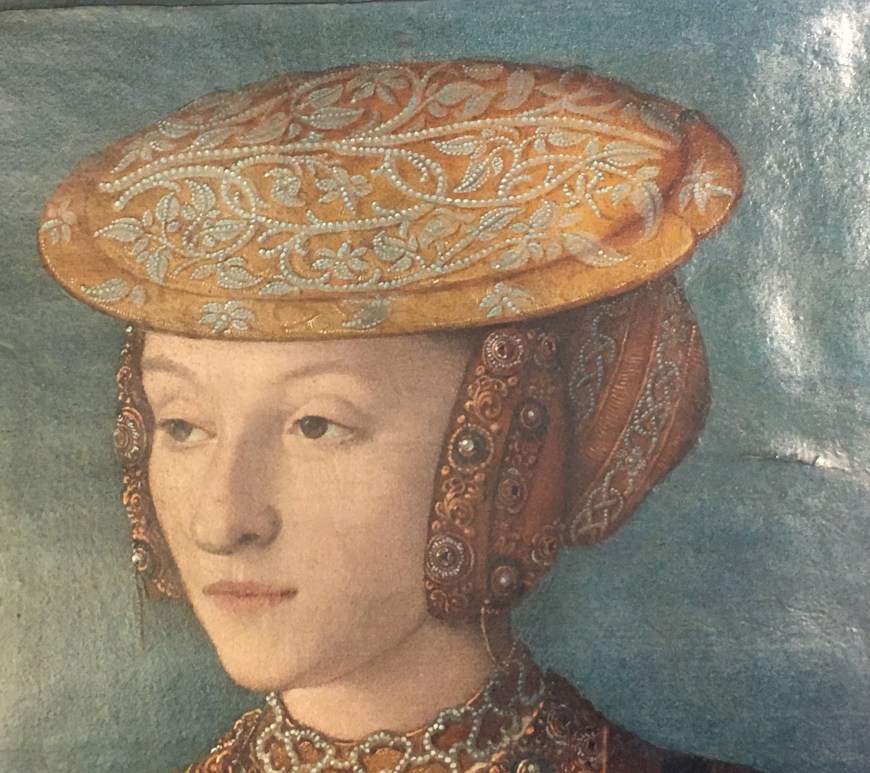
Happy 505th Birthday, Anna of Cleves!

by Heather R. Darsie On this day of 28 June in 1515, a little baby girl was born in the Holy Roman Empire whose life would be dramatically shaped by international politics. The baby was christened, “Anna,” after her paternal aunt. “Anna” was a family name on her maternal side, as well. Anna of Cleves’ great-grandmother through Maria of Juelich-Berg was Anna of Saxony. Anna … Continue reading Happy 505th Birthday, Anna of Cleves!

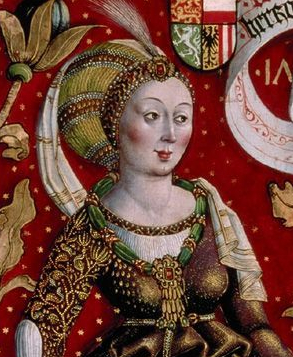
What was the Frauenzimmer?

by Heather R. Darsie Please note that this article originally appeared on Tudors Dynasty. In the 15th century, the word “vrouwenzimmer” slowly entered the German lexicon, becoming a fully-fledged concept by the late 15th to early 16th century. Literally meaning “woman’s room,” the word applied to the secondary court which developed around the women of a noble household. The word “Frau,” now simply meaning a woman … Continue reading What was the Frauenzimmer?

The Habsburg-Valois Wars

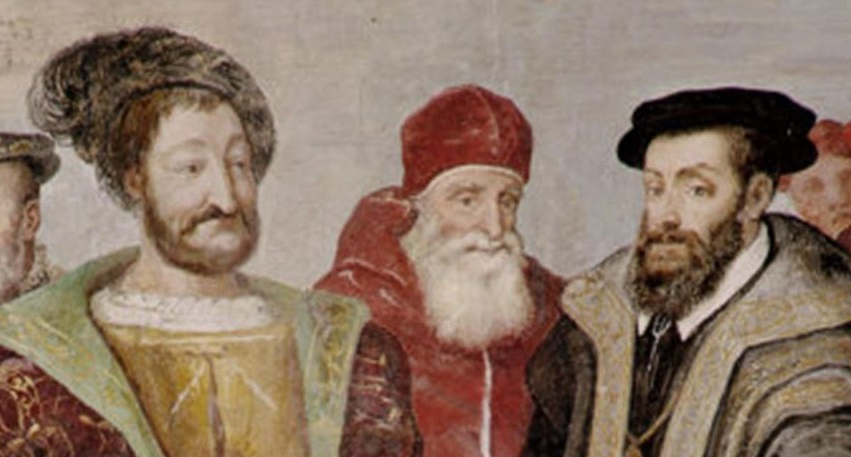
by Heather R. Darsie The Habsburg-Valois Wars were part of another series of wars. The Italian Wars took place from 1494 to 1559, where the parties struggled for control of the Italian peninsula. The Italian Wars initially started over a spat between Pope Innocent VIII and Ferdinand I of Naples. Ferdinand I did not pay its dues to the Pope, who turned around and excommunicated … Continue reading The Habsburg-Valois Wars

The First Hint of Trouble: An Early Spat Between the Johann II of Cleves and Elector Frederick of Saxony

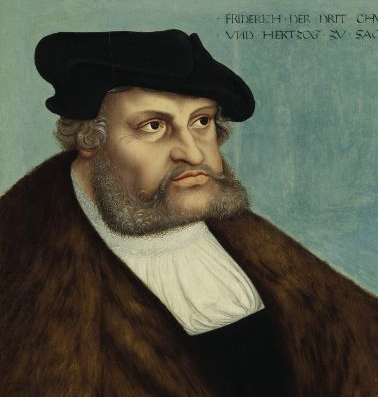
by Heather R. Darsie This article first appeared on History, the Interesting Bits . Throughout the late 15th and early 16th century, various disputes over territory sprung up across the German-speaking portions of the Holy Roman Empire. In 1517, a new facet of rebellion against the Empire was introduced in Saxony when Martin Luther’s 95 Theses became known. Maximilian I was still the Holy Roman Emperor in … Continue reading The First Hint of Trouble: An Early Spat Between the Johann II of Cleves and Elector Frederick of Saxony

Anna of Cleves’ Maternal Grandparents: Wilhelm IV and III of Jülich-Berg and Sibylle of Brandenburg

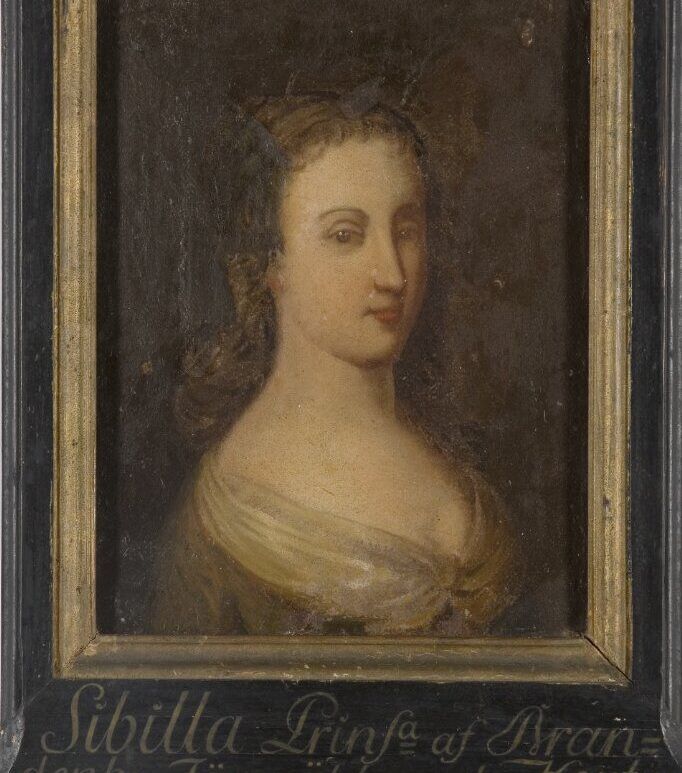
by Heather R. Darsie, J. D. Wilhelm of Jülich-Berg was born 9 January 1455 to Gerhard of Jülich-Berg, from the Heimbach branch of the Dukes of Jülich. Gerhard was the son of Wilhelm of Ravensberg and Adelheid von Tecklenburg. When Gerhard’s uncle Adolf of Ravensberg, who eventually became the Duke of Jülich-Berg-Ravensberg, passed away without male issue in 1437, Gerhard became duke. During the late … Continue reading Anna of Cleves’ Maternal Grandparents: Wilhelm IV and III of Jülich-Berg and Sibylle of Brandenburg

How to Train Your Hawk: A 15th Century English Prioress’ Guide

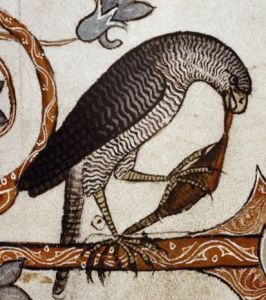
by Heather R. Darsie This weekend when I was researching for my new book, anticipated in Summer 2021, I stumbled across a curious book from the 15th century. It is called, Book of Hawking, Hunting, and Heraldry. The book was printed in 1496 at Westminster by Wykyn de Worde, who also published an account of Anne Boleyn’s coronation. Even more interesting were the hand-written notes at the … Continue reading How to Train Your Hawk: A 15th Century English Prioress’ Guide

The Curious Case of a Misidentified Portrait of Anne Boleyn

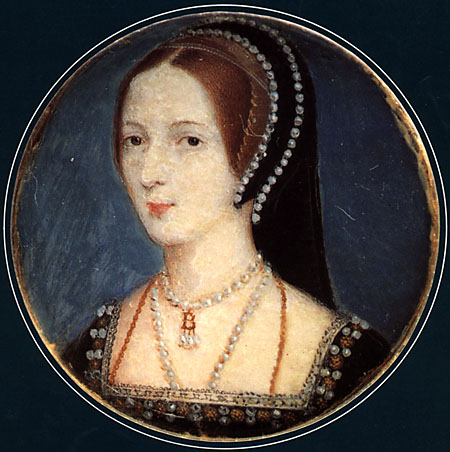
by Heather R. Darsie On 13 April 1929, the Supreme Court of New York heard the curious case of Hahn v. Duveen, in which an art collector  named Mrs. Andree Hahn sued an art dealer named Sir Joseph Duveen for slander. At the heart of the issue was an alleged original painting which Ms. Hahn stated depicted Anne Boleyn and was painted by none other … Continue reading The Curious Case of a Misidentified Portrait of Anne Boleyn

The Scythian Lamb, or the Delectable Lamb-Vegetable of Tartary

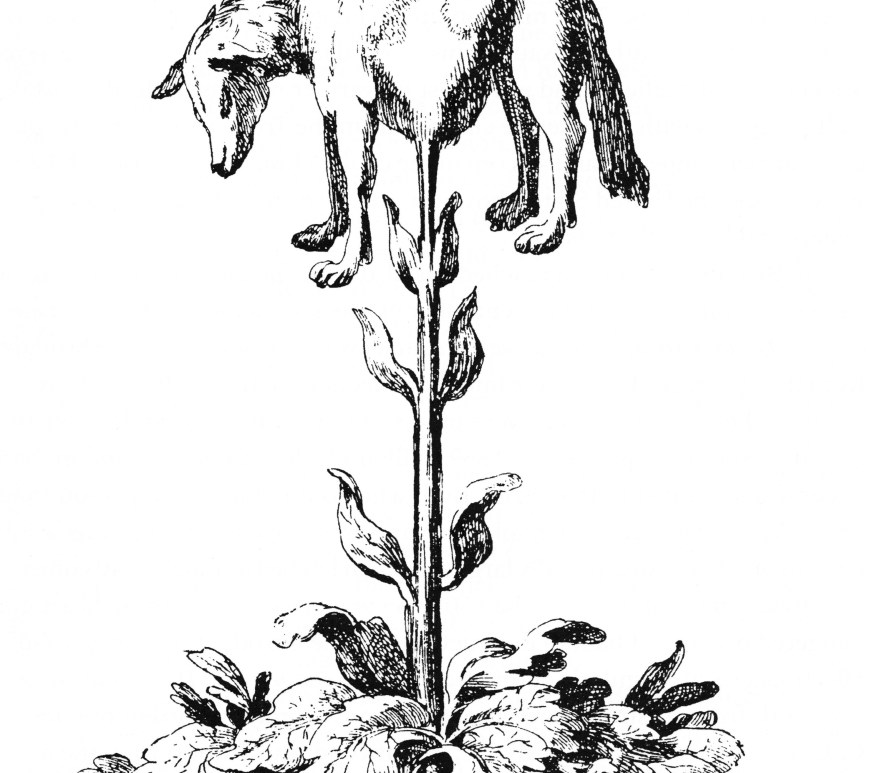
by Heather R. Darsie In the Middle Ages, rumour spread that there was a mythological zoophyte known as the Scythian Lamb or the Borametz. Herodotus, from the fifth century BCE and Theophrastus of the third century BCE wrote of the Scythian Lamb, bolstering credibility that such a thing existed. An additional source for the rumour was found in a Jewish text from 436 called, Talmud … Continue reading The Scythian Lamb, or the Delectable Lamb-Vegetable of Tartary

The Poetry of Anne Boleyn: Sir Thomas Wyatt’s Sorrow

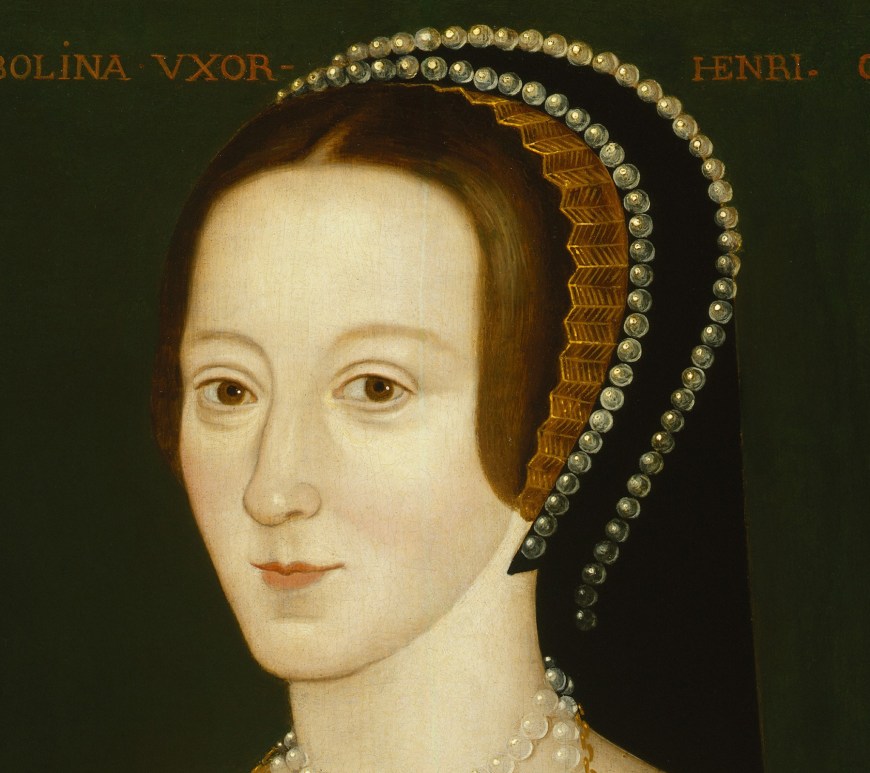
by Heather R. Darsie After Anne Boleyn’s startling arrest on 2 May 1536, several other men accused of being her accomplices in treasonous adultery were arrested. Sir Thomas Wyatt himself was arrested, but later released without charges. While he was in the Tower, it is traditionally thought that Wyatt wrote the following poem: Believed to be a late 16th century copy of a portrait of … Continue reading The Poetry of Anne Boleyn: Sir Thomas Wyatt’s Sorrow

The Poetry of Anne Boleyn: Sir Thomas Wyatt’s Anger

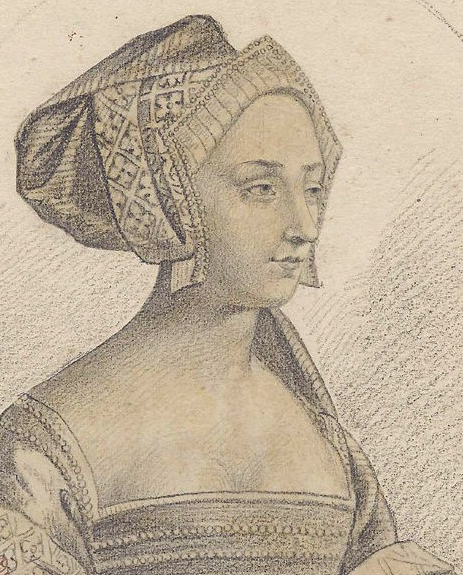
by Heather R. Darsie Another poem written by Sir Thomas Wyatt and allegedly about Anne Boleyn shows how upset he was at Anne for losing her. Calling her an old mule and pointing out that she now had a few grey hairs, Wyatt repeatedly calls the subject of the poem a “mule.” Devira Achille, protrait of Anne Boleyn for a lithography project in 2016, via … Continue reading The Poetry of Anne Boleyn: Sir Thomas Wyatt’s Anger