A History of Beer Brewing in Germany and the Low Countries

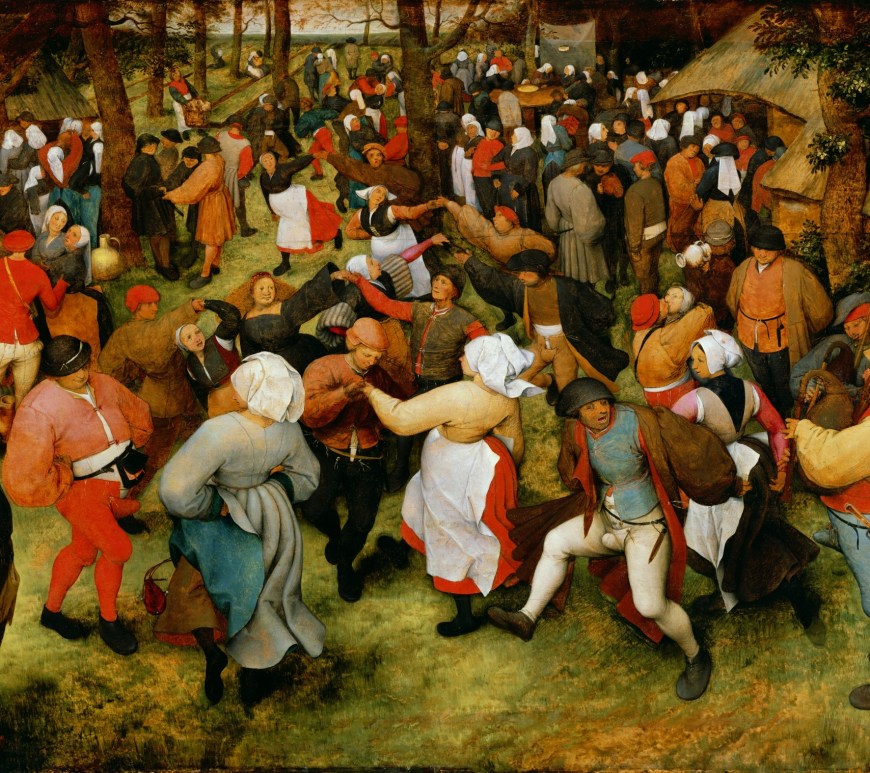
by Heather R. Darsie Happy New Year, everyone! My very best wishes to you for a prosperous 2019!  Pieter Bruegel the Elder, “The Wedding Dance,” c. 1566, via Wikimedia Commons. When asked about trades which had a large impact upon economic development and government interests during the Renaissance, twenty-first century observers might instinctively point to the wool trade between England and the Low Countries, the … Continue reading A History of Beer Brewing in Germany and the Low Countries

A Brief Look at Jousting Armor

by Heather R. Darsie Jousting, much like Rugby or American Football, was a full-contact, dangerous sport. Severe injuries and even death were quite common. Henry II of France died in 1559 when a lance’s splinter breached Henry’s helmet and entered his brain by way of the eye.  More like American Football and less like Rugby, individuals participating in the joust wore protection. Turnierbuch Ritterspiele Most … Continue reading A Brief Look at Jousting Armor

Desiderius Erasmus, an Exceptional Mind

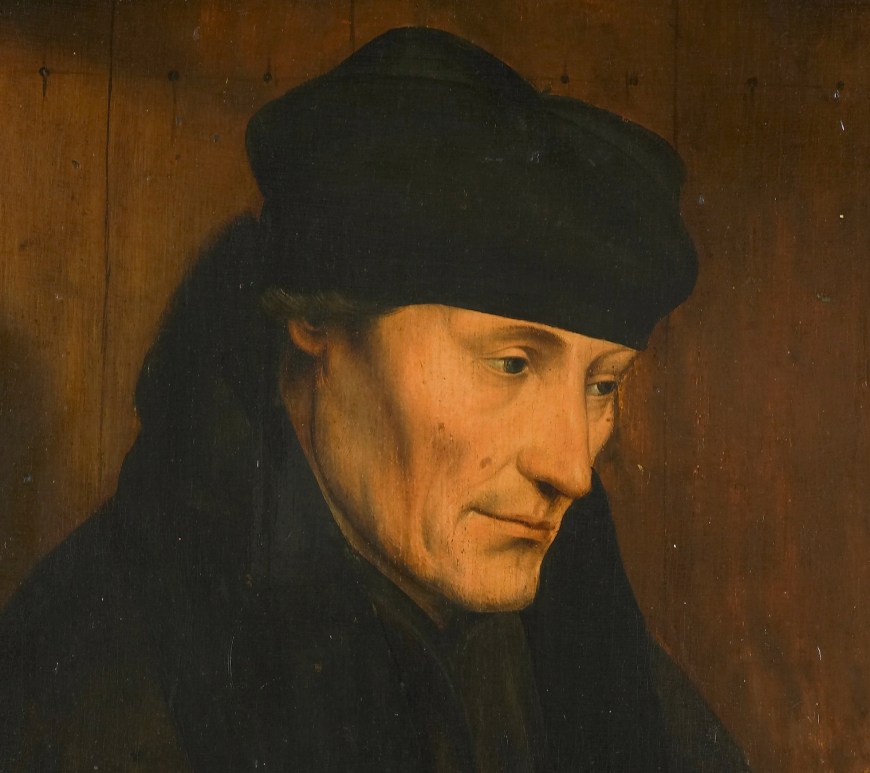
by Heather R. Darsie Erasmus: his name is synonymous with humanism, education, and intelligence. Across Northern Europe several Erasmus programs exist at universities, so students may pursue their studies at multiple universities and in multiple languages. During his lifetime, Erasmus corresponded with such notable people as Sir Thomas Moore and John Colet. Erasmus assisted Hans Holbein in his quest to move to England and influenced … Continue reading Desiderius Erasmus, an Exceptional Mind

The Beginning of a Dynasty: the Coronation of Henry VII

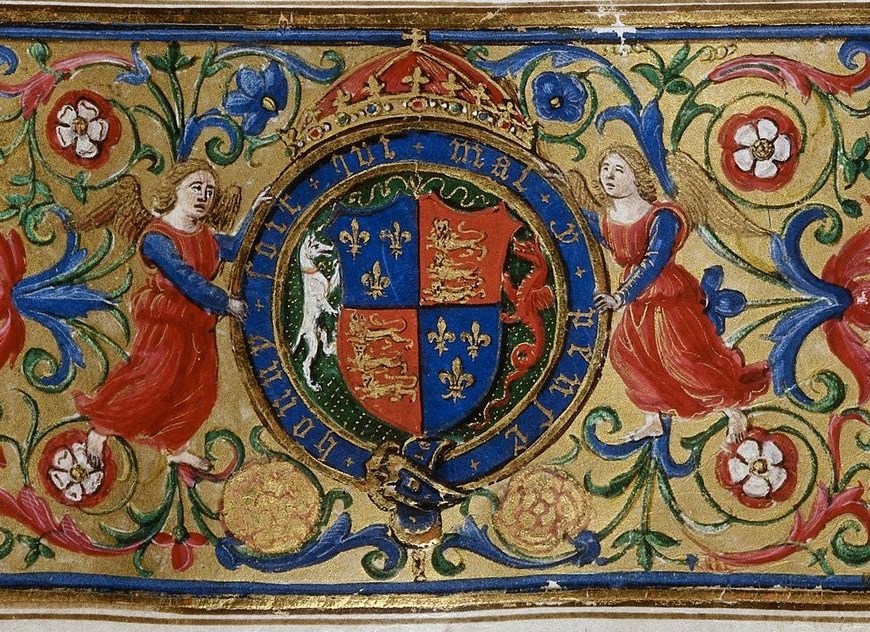
by Heather R. Darsie On 30 October 1485, Henry VII’s coronation was held, and he became the first Tudor monarch. The date of 30 October was chosen in part because he wished to be crowned king before the next sitting of Parliament, which took place on 7 November. By having his coronation before the next sitting of Parliament, which was the first to take place … Continue reading The Beginning of a Dynasty: the Coronation of Henry VII

Henry VIII’s Second Letter to Anne Boleyn

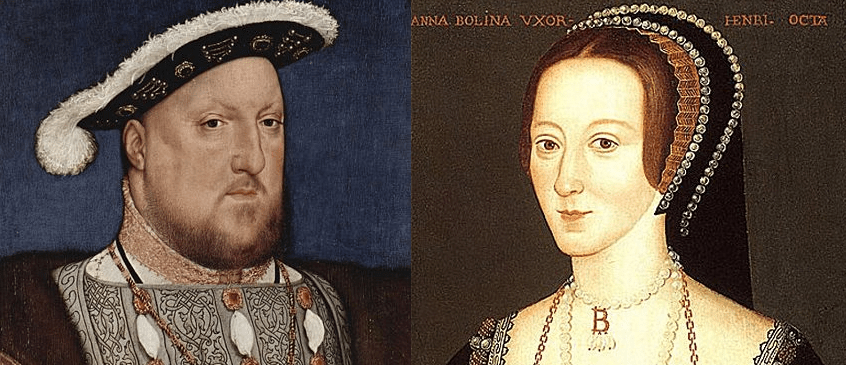
by Heather R. Darsie There is not much to this letter, and it is perhaps one of the more frustrating letters because Anne’s letters surrounding this one of Henry’s do not exist. The letter is all of one complex sentence long. Henry writes, “Though it is not fitting for a gentleman to take his lady in the place of a servant, yet, complying with your … Continue reading Henry VIII’s Second Letter to Anne Boleyn

Henry VIII to Anne Boleyn: Letter One, Approx. July 1527

by Heather R. Darsie It is not entirely clear when Henry Tudor, King of England, fell for Anne Boleyn, but it is approximated as some point in 1526. There exists a series of letters from Henry to Anne in the Vatican Library. In 1720, the letters were published for the first time in Hearne’s Roberti de Avesbury Historia de mirabilus gestis Edwardi III. They have since … Continue reading Henry VIII to Anne Boleyn: Letter One, Approx. July 1527

The Four Wives of Philip II

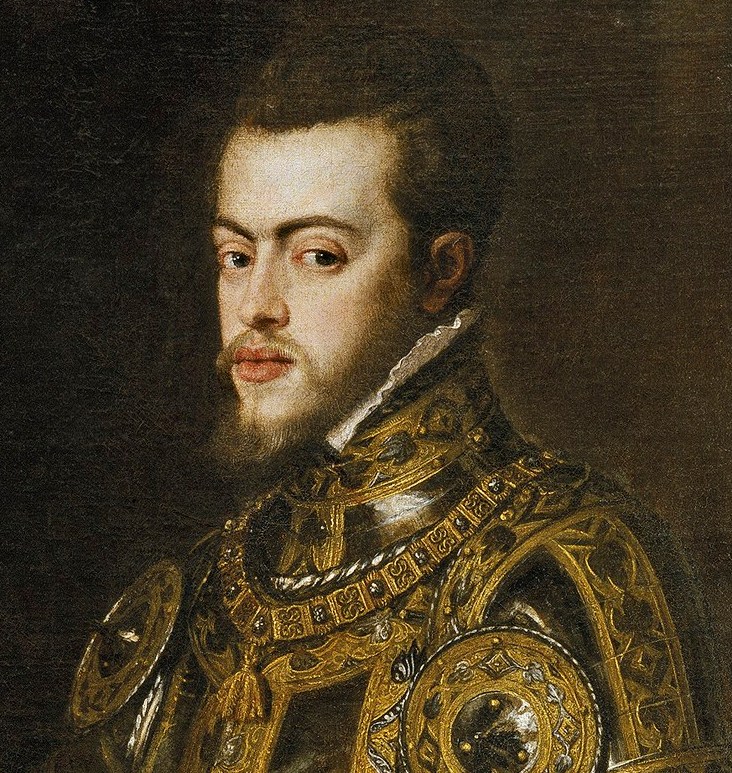
by Heather R. Darsie In case you missed it earlier this week on QueenAnneBoleyn.com  , have a look! The lives of Henry VIII of England’s six wives are much-chronicled, with myriad books, shows, art, and the like, depicting and dramatizing key moments in each woman’s life. Another man had almost as many wives, though their respective demises were much less salacious than those of Henry’s. … Continue reading The Four Wives of Philip II

Gloriana and the Green Ruby

by Heather R. Darsie Gloriana, Elizabeth I, is the famous virgin-queen of England. She never took a husband. Much speculation has swirled around Elizabeth’s decision to remain single. Several tragic, if not traumatic, events are cited as reasons why Elizabeth chose not to marry.   Elizabeth was born 7 September 1533. On 19 May 1536, when Elizabeth was not quite three years of age, her … Continue reading Gloriana and the Green Ruby

Margaret, Tudor Gateway to the United Kingdom, Part III

by Heather R. Darsie Tragedy struck Queen Margaret when her loving husband died on 9 September 1513 at the Battle of Flodden, leaving their 17-month-old son as king. Although she may not have known at the time, Margaret was also two months pregnant with her last child conceived between Margaret and her deceased husband. Now queen dowager, Margaret had to act quickly to protect not … Continue reading Margaret, Tudor Gateway to the United Kingdom, Part III