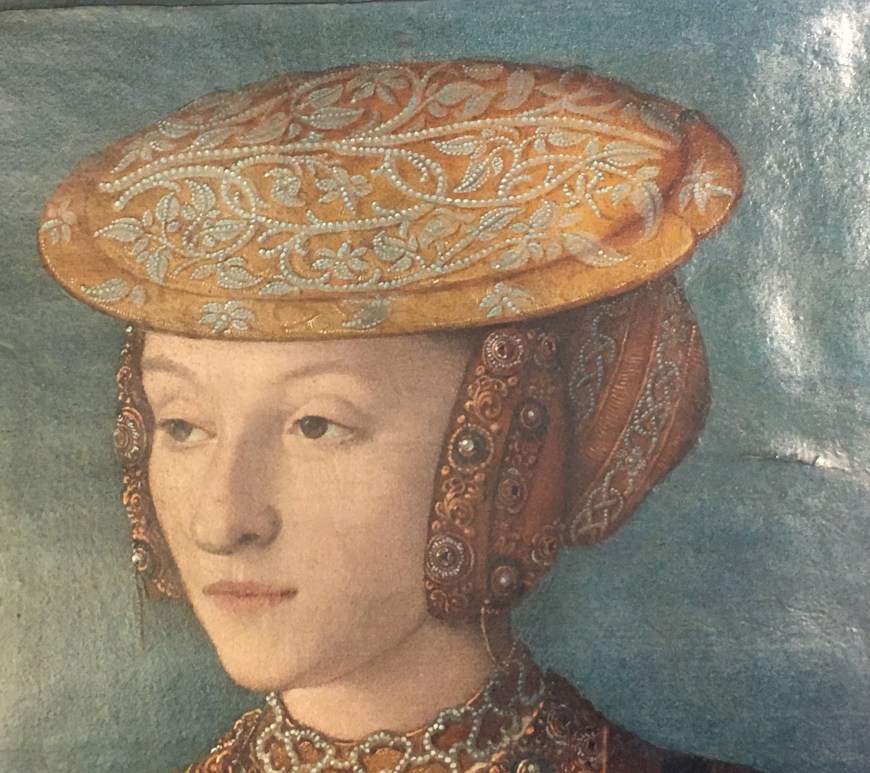
The Six Fiancées of Charles V

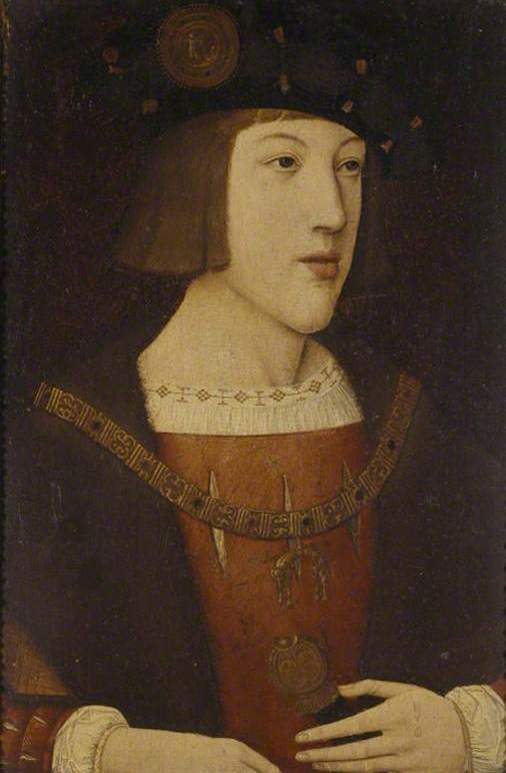
by Heather R. Darsie Charles von Habsburg, the eldest son of Philip von Habsburg and Juana de Trastámara, was quite the prize groom in the early 16th century. Charles was born 24 February 1500 at the Prinsenhof in Ghent, Flanders, which is now part of modern Belgium. His parents, better known as Philip the Handsome and Juana the Mad, were their parents’ heirs, setting up … Continue reading The Six Fiancées of Charles V

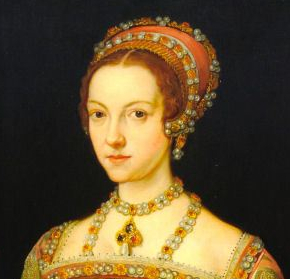
Henry VIII Marries Catherine Parr

Anna of Cleves’ marriage to Henry VIII ended in July 1540, scarcely six months after their official wedding took place. Swiftly after that, Henry married the very young Katheryn Howard. During Katheryn’s fall from grace, there was strong speculation that Henry would take back Anna. Dignitaries from Cleves actively tried to convince Henry to remarry Anna in early 1542. Henry refused, and Parliament would not … Continue reading Henry VIII Marries Catherine Parr

Anne Boleyn Speaks to Her Court, 1533

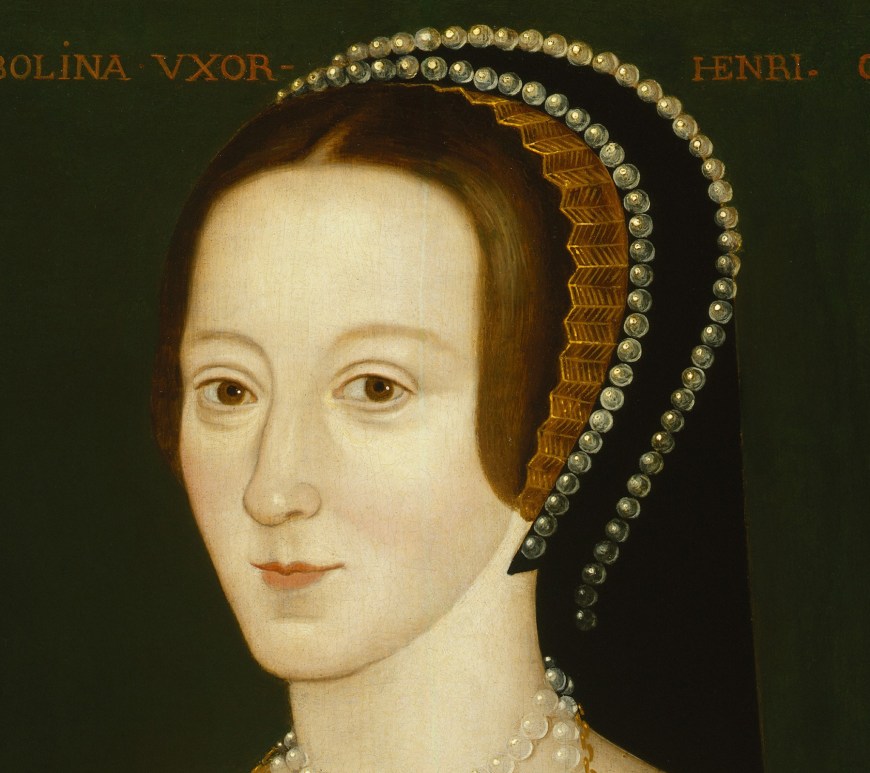
by Heather R. Darsie After Anne Boleyn had her coronation, she was assigned her own court and officers. Per her chaplain William Latymer, she gave two speeches to her court. The first was to her temporal officers, and the second to her spiritual advisers. The accuracy of these speeches is in no way verifiable, as William Latymer’s work was written during the reign of Elizabeth … Continue reading Anne Boleyn Speaks to Her Court, 1533

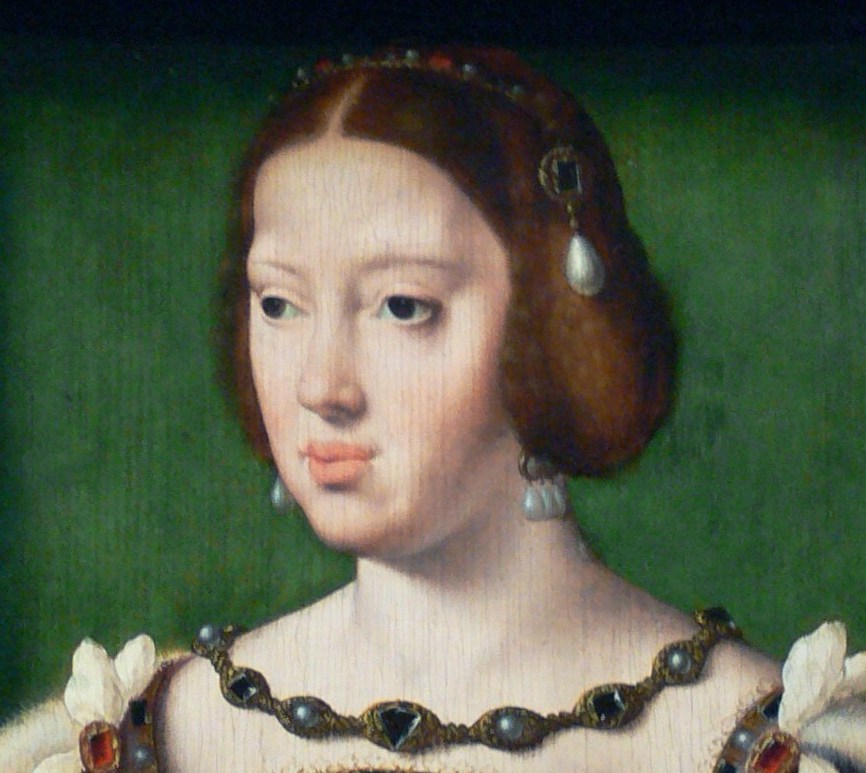
The Habsburg Sisters, Part I: Eleonore von Habsburg, Queen Consort of Portugal and France

by Heather R. Darsie Most people interested in Tudor history are familiar with names like Charles V, Francis I, or even Christina of Denmark. Charles’ mother Juana of Castile might sound familiar. But what of Juana’s four daughters, Charles V’s sisters? Who were they? Why were they important? How did they fulfill the goals of Charles and his brother Ferdinand in the early 16th century? This article will provide … Continue reading The Habsburg Sisters, Part I: Eleonore von Habsburg, Queen Consort of Portugal and France

Poor Relief in Reformation England, Germany, and the Netherlands

by Heather R. Darsie** Attempts at providing poor relief increased in the late 16th century. Some of the more overt changes happened in Elizabethan England, and in the Netherlands and Germany. This is in part due to religious changes.  In this essay, trends in charitable giving and social changes in poor relief due to the Reformation in England, Germany, and the Netherlands are explored. Poverty … Continue reading Poor Relief in Reformation England, Germany, and the Netherlands

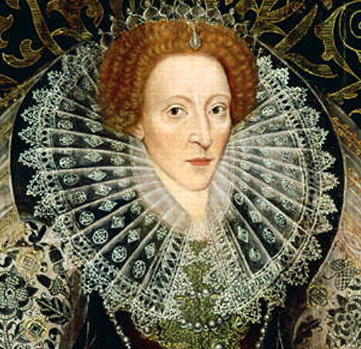
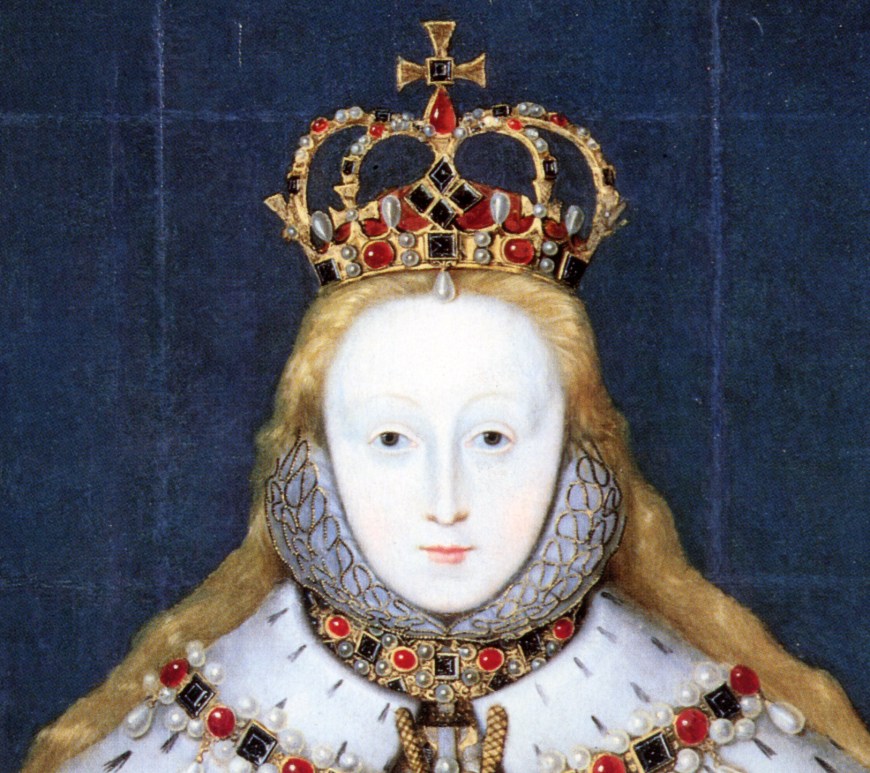
Elizabeth I’s Coronation: A Perspective

by Heather R. Darsie On Sunday 15 January 1559, Elizabeth Tudor became Elizabeth I, Queen of England, Ireland, and France, Defender of the Faith. Elizabeth had just turned 25 years old that past September. She picked that date under the advice of the court astrologer, John Dee, By the time of her coronation, Elizabeth had outlived her mother, father, legitimate and confirmed illegitimate half-siblings, her … Continue reading Elizabeth I’s Coronation: A Perspective

When Henry Met Anna: The German Account

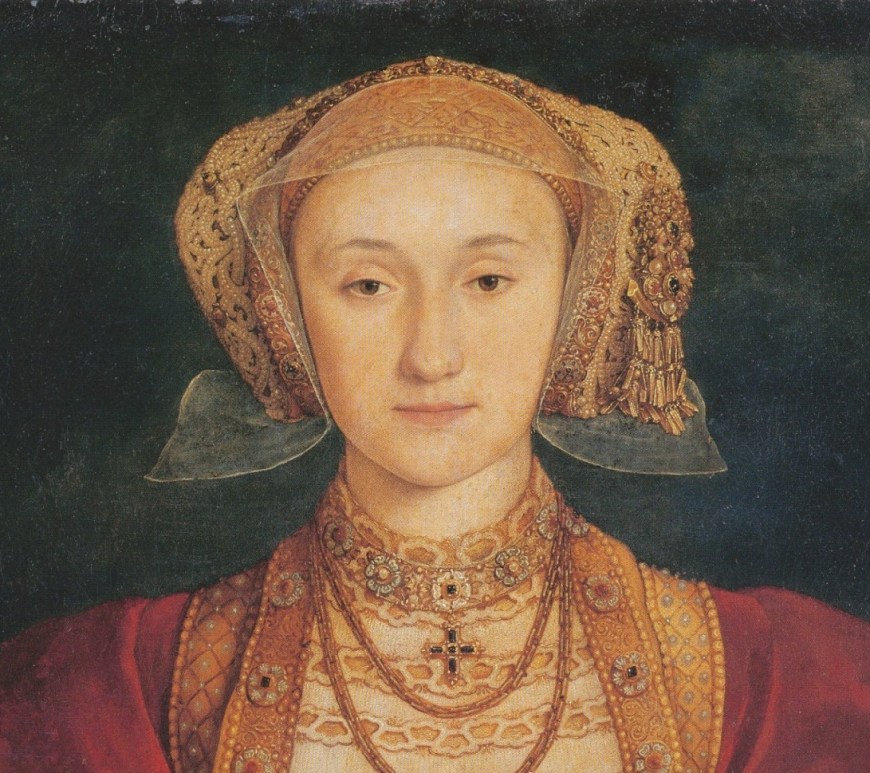
by Heather R. Darsie On 1 January 1540, Henry VIII surprised his new bride, Anna of Cleves. For centuries, it was believed that Henry VIII found Anna of Cleves ugly at worst and was not attracted to her at best. The main sources for this rumor were depositions specifically created for the annulment of their marriage. The depositions were taken in June and July 1540, … Continue reading When Henry Met Anna: The German Account

1519: A Tudor Year in Review

by Heather R. Darsie The year 1519 was a year of massive changes, important births, and important deaths in Western Europe. Some of these impacted Henry VIII’s reign, whilst others did not come meaningfully into play until the reigns of Henry’s daughters. Henry VIII turned 28 years old in 1519, and was still young-minded. Births and Deaths Maximilian I von Habsburg, Holy Roman Emperor, died … Continue reading 1519: A Tudor Year in Review

Of Dwarves, Pet Elk, and Gold Noses: Tycho Brahe, Danish Astronomer

by Heather R. Darsie Tyge Ottensen Brahe, or Tycho Brahe as he is usually known to English speakers, was born on 14 December 1546 on the Danish peninsula of Skania. Tycho was born into a noble family and benefited from an excellent education. He was very passionate about mathematics, which caused him grave disfigurement. How, exactly, does one become disfigured because of mathematics? Why, by … Continue reading Of Dwarves, Pet Elk, and Gold Noses: Tycho Brahe, Danish Astronomer