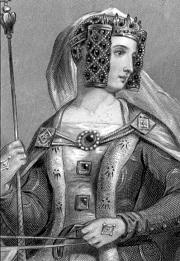
The Revenge of Margaret Pole

by Heather R. Darsie In case you missed it on QueenAnneBoleyn.com On 28 July 1540, a great, accomplished man of Tudor Times was beheaded on Tower Hill. That man was Thomas Cromwell, briefly the 1st Earl of Essex, and Henry VIII’s Chief Minister. Cromwell sought to reform and consolidate the legal system the secular legal system and move away from canon law. Cromwell succeeded in establishing … Continue reading The Revenge of Margaret Pole

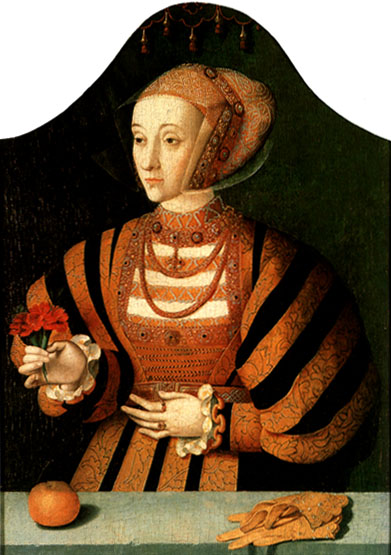
The Annes of Cleves, Part I

by Heather R. Darsie The name “Anne of Cleves” conjures thoughts of Henry VIII’s allegedly unattractive, unfashionable fourth wife. However, over the span of almost 200 years, there were five women known as “Anne of Cleves.” First we will meet Anne of Burgundy, who by marriage became an Anne of Cleves. For purposes of this article, we will refer to her as “van Kleef.” Next, … Continue reading The Annes of Cleves, Part I

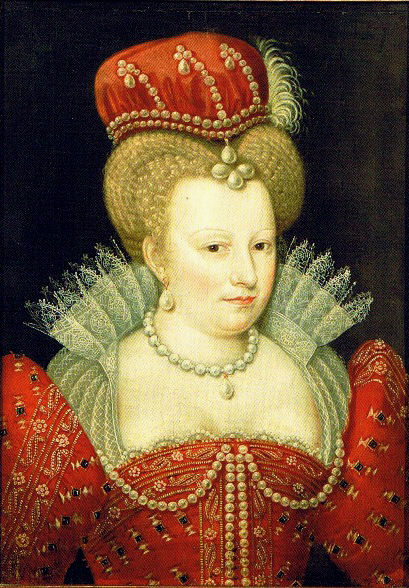
La Reine Margot, Part Two

by Heather R. Darsie In case you missed on Tudors Dynasty Life continued to take dramatic turns for Margot after she wed Henry of Navarre. Though she saved his life during the St. Bartholomew’s Day Massacre, she did not care for his Huguenot religion.  Marguerite’s three surviving brothers, King Charles IX, Henry, and Francis (originally named Hercule Francis) used Margot in their various plots. Portrait of … Continue reading La Reine Margot, Part Two

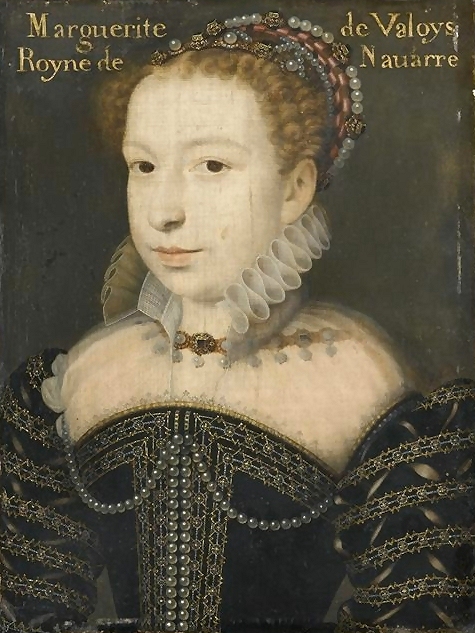
La Reine Margot, Part I

by Heather R. Darsie As previously seen on Tudors Dynasty Born on 14 May 1553, Marguerite, affectionately known by her nickname of Margot, was the seventh child and third daughter of Henri II of France and Catherine de’ Medici. Margot spent her early life being raised alongside her sisters Claude and Elisabeth. Margot was particularly good with languages, excelling at the international language of Latin, along … Continue reading La Reine Margot, Part I

The Scots Queen Surrenders: An Overview of the Battle of Carberry Hill

by Heather R. Darsie By 15 June 1567, twenty-four-year-old Mary Stuart had been Queen of Scotland for almost her entire life; never knew her father, James V, because he died when she was six days old; was Queen Consort, then Queen, of France for less than seventeen months; had lost her mother in July 1560; was about to celebrate her son and heir’s first birthday … Continue reading The Scots Queen Surrenders: An Overview of the Battle of Carberry Hill

Margaret of York, Duchess Consort of Burgundy

by Heather R. Darsie In case you missed it on 3 May 2018 at http://queenanneboleyn.com/2018/05/03/margaret-york-duchess-consort-burgundy-heather-r-darsie/ On 3 May 1446, the future Edward IV of England and his parents welcomed a baby girl. She was named Margaret, possibly after Margaret of Anjou, who was Queen Consort of England at the time. Margaret of York’s life was greatly influenced by her brother Edward, and her prominence rose with … Continue reading Margaret of York, Duchess Consort of Burgundy

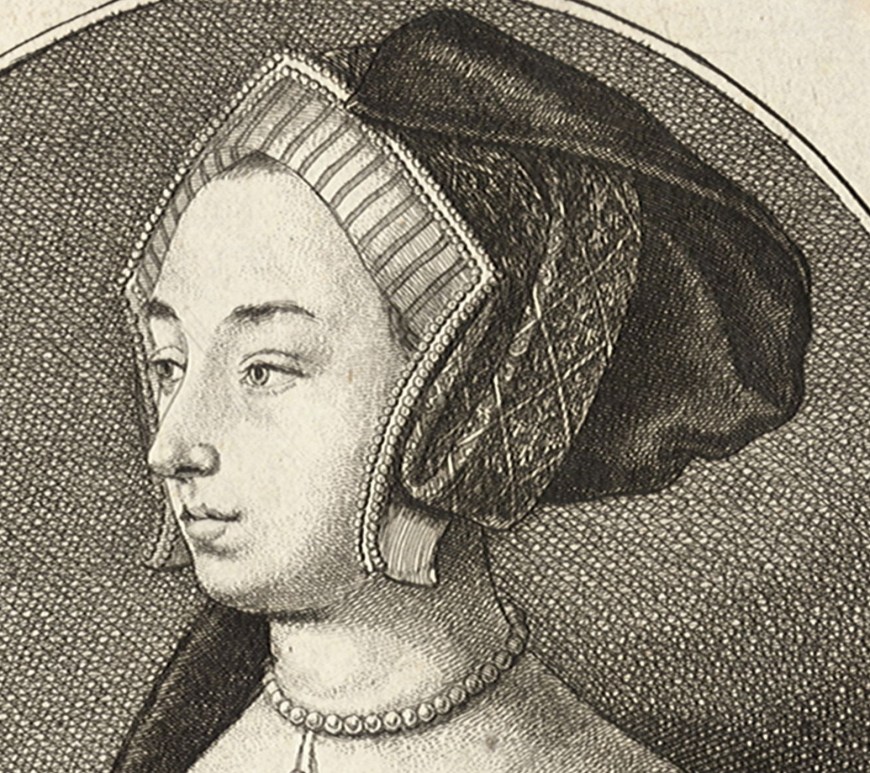
Love Letter Twelve from Henry VIII to Anne Boleyn

by Heather R. Darsie The twelfth love letter from Henry VIII to Anne Boleyn is a doozy, colloquially speaking. It shows the passion Henry has for Anne, the court intrigues of the Boleyn family, issues Henry had with religious entities in England, and was likely written just before Cardinal Wolsey made a brazen move counter to Henry’s wishes. Let us begin.  Wenceslaus Hollar, via Wikimedia … Continue reading Love Letter Twelve from Henry VIII to Anne Boleyn

Sorrow in the City: Reactions to the End of an Age

by Heather R. Darsie, J. D.  On 24 March 1603, Elizabeth I died. She was approaching the age of 70 years. “It is not my desire to live or to reign longer than my life and my reign shall be for your good,” said Elizabeth to her parliament in 1601. Upon one of the many times parliament questioned Elizabeth about her plan of succession, she … Continue reading Sorrow in the City: Reactions to the End of an Age

The Iberian House of Trastamara

by Heather R. Darsie When thinking about the important players of the Renaissance, particularly during the reign of Henry VIII of England, one recalls the powerful families of the English Tudors, French Valois, and Burgundian Habsburgs. The family that is even more influential, even if quietly, is the overlooked Trastámaras of Spain. This family married into the Tudor, Valois, and Habsburg families, among others, and … Continue reading The Iberian House of Trastamara