“Mine Utter Overthrow”: Robert Dudley’s Secret Remarriage

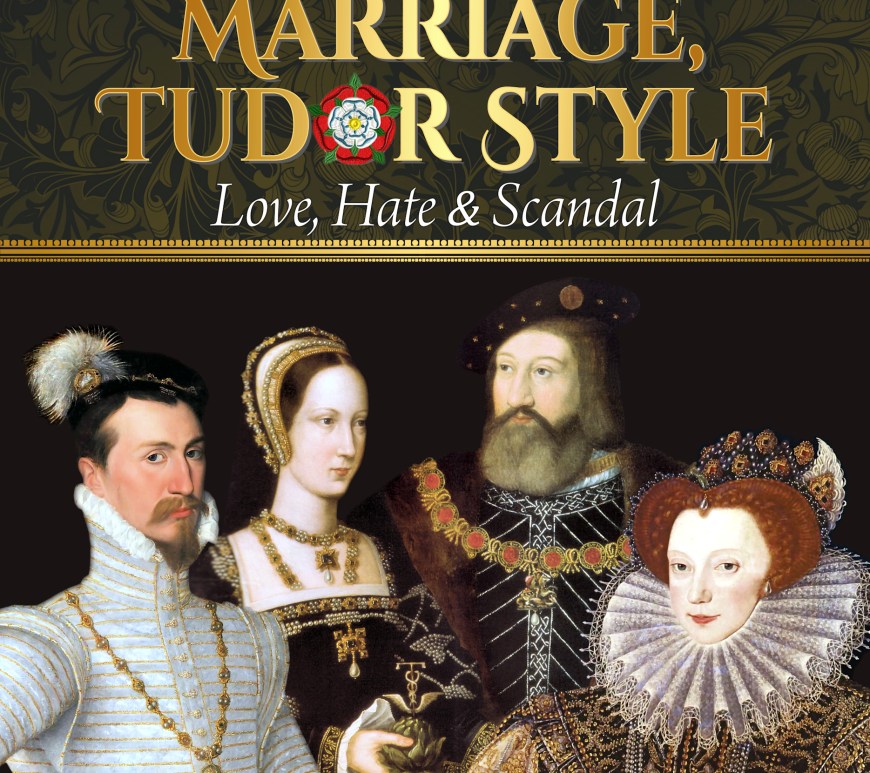
a guest post by Sylvia Barbara Soberton Robert Dudley is remembered mostly as Elizabeth I’s master of the horse and possible lover. The two knew each other since childhood and when Elizabeth became queen they became inseparable. Robert was a married man at the time and his involvement with the Queen – their private meetings, hunting escapades and intimacy – added to the scandal. When … Continue reading “Mine Utter Overthrow”: Robert Dudley’s Secret Remarriage


Salisbury Cathedral during the Reigns of the Tudors

by Heather R. Darsie, J. D. The current Salisbury Cathedral was constructed at a quick clip from 1220 to 1258. An impressive number of stone masons carved and formed the bricks, finials, and columns from three types of limestone. They filled in the spaces between the cathedral’s Early English Gothic vaulted arches with tufa. The building dominated the building when it was built, but needing … Continue reading Salisbury Cathedral during the Reigns of the Tudors

Tudor Currency and the Great Debasement: An Overview

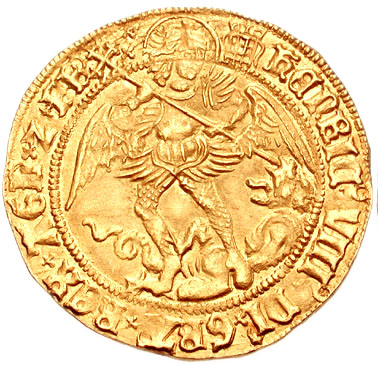
by Heather R. Darsie, JD At the beginning of Henry VIII’s reign in 1509, there were three different coins used as currency. The coins and their value were roughly as follows: silver penny, the lowest; a silver groat (worth four pennies/pence); gold angel (worth 120 pence/10 shillings); and gold half-angel (worth 60 pence/10 shillings). The value of these coins remained the same from 1509 to … Continue reading Tudor Currency and the Great Debasement: An Overview

Iconoclasm in 16th Century Western Europe

by Heather R. Darsie, J.D. The sixteenth century saw massive changes in the spiritual and visual culture of Western Europe. In the first half the sixteenth century, government-sanctioned iconoclasms during the German and English Reformations changed not only how people worshipped, but also what they saw. In the second half of the sixteenth century, religious revolts in France and the Netherlands violently changed the religious … Continue reading Iconoclasm in 16th Century Western Europe

The Gregorian Calendar is Adopted in 1582

by Heather R. Darsie On 15 October 1582, the Gregorian calendar was decreed via papal bull. Pope Gregory XIII, under the bull Inter gravissimas or Of Great Importance, corrected calculation of a year from 365.25 days in the Julian calendar to 365.2422 days in Gregorian. Also, the Julian calendar had 100 leap days over 400 years, whereas the proposed Gregorian would have only 97. Most centennial … Continue reading The Gregorian Calendar is Adopted in 1582

Elizabeth I and the Plimpton Sieve Portrait

by Heather R. Darsie In 1579, when Elizabeth was around forty-five-or forty-six years old, a portrait of her holding a sieve was painted by George Gower. It is believed that Gower was born around 1540, but his early life is obscure. Along with the 1579 portrait of Elizabeth, Gower created a self-portrait. In his self-portrait, Gower emphasizes the importance of his art by having the … Continue reading Elizabeth I and the Plimpton Sieve Portrait

Henry VIII: How Many Children did He Have?

by Heather R. Darsie Henry VIII is generally viewed as a Lothario during his marriages to Katharine of Aragon and Anne Boleyn. During his lifetime, he fathered at least six children with Katharine of Aragon, two or possibly three with Anne Boleyn, one with Jane Seymour, and possibly an additional six illegitimate children. All of Henry’s children were born in or before 1537. Henry’s first … Continue reading Henry VIII: How Many Children did He Have?

Poor Relief in Reformation England, Germany, and the Netherlands

by Heather R. Darsie** Attempts at providing poor relief increased in the late 16th century. Some of the more overt changes happened in Elizabethan England, and in the Netherlands and Germany. This is in part due to religious changes.  In this essay, trends in charitable giving and social changes in poor relief due to the Reformation in England, Germany, and the Netherlands are explored. Poverty … Continue reading Poor Relief in Reformation England, Germany, and the Netherlands

Elizabeth I’s Coronation: A Perspective

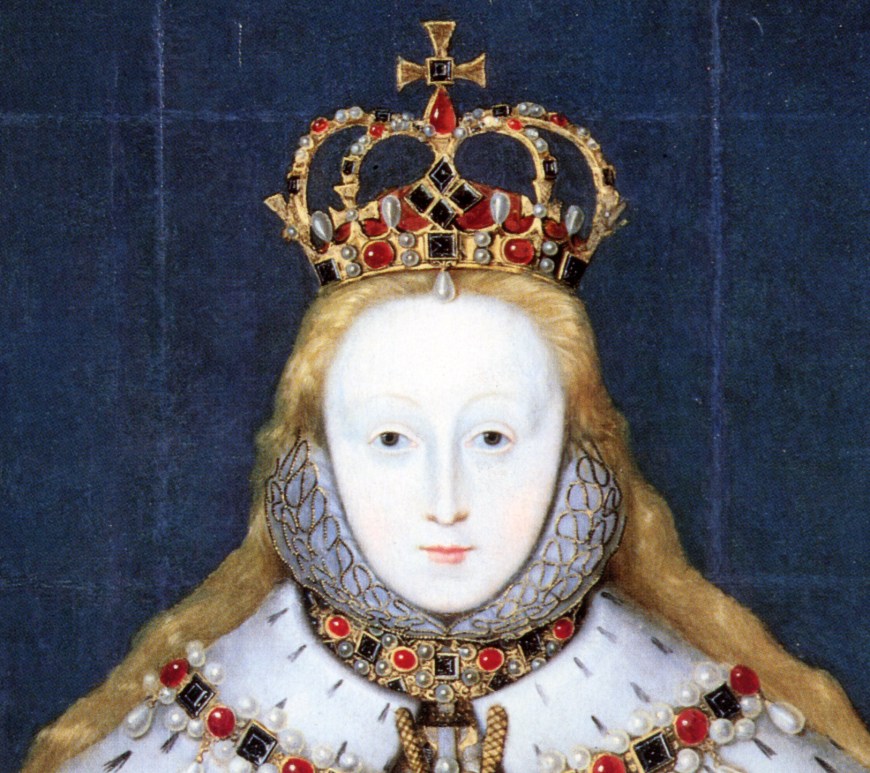
by Heather R. Darsie On Sunday 15 January 1559, Elizabeth Tudor became Elizabeth I, Queen of England, Ireland, and France, Defender of the Faith. Elizabeth had just turned 25 years old that past September. She picked that date under the advice of the court astrologer, John Dee, By the time of her coronation, Elizabeth had outlived her mother, father, legitimate and confirmed illegitimate half-siblings, her … Continue reading Elizabeth I’s Coronation: A Perspective

Of Dwarves, Pet Elk, and Gold Noses: Tycho Brahe, Danish Astronomer

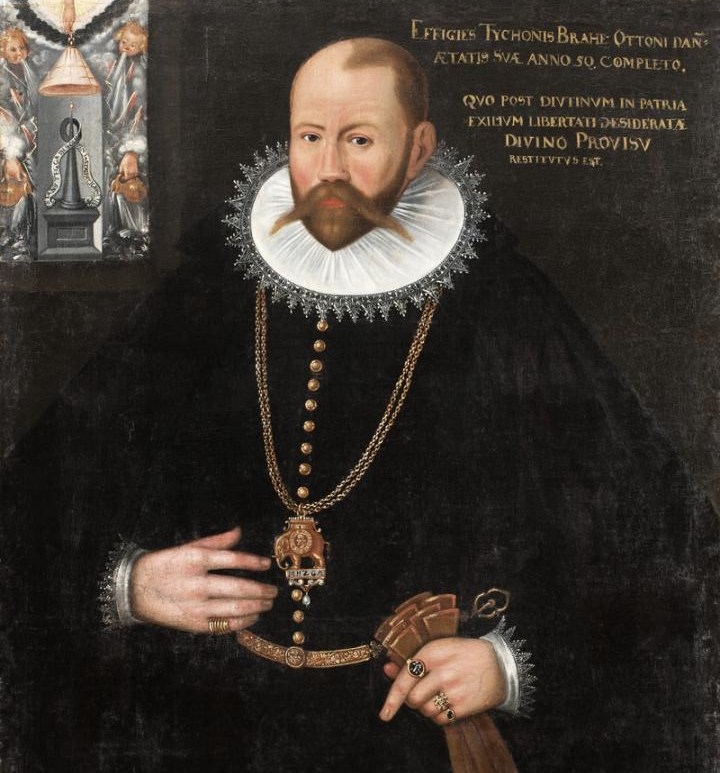
by Heather R. Darsie Tyge Ottensen Brahe, or Tycho Brahe as he is usually known to English speakers, was born on 14 December 1546 on the Danish peninsula of Skania. Tycho was born into a noble family and benefited from an excellent education. He was very passionate about mathematics, which caused him grave disfigurement. How, exactly, does one become disfigured because of mathematics? Why, by … Continue reading Of Dwarves, Pet Elk, and Gold Noses: Tycho Brahe, Danish Astronomer