The Scots Queen Surrenders: An Overview of the Battle of Carberry Hill

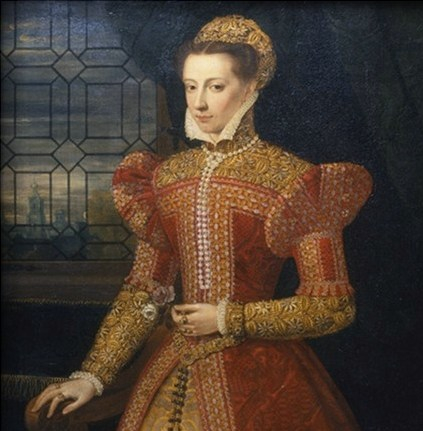
by Heather R. Darsie By 15 June 1567, twenty-four-year-old Mary Stuart had been Queen of Scotland for almost her entire life; never knew her father, James V, because he died when she was six days old; was Queen Consort, then Queen, of France for less than seventeen months; had lost her mother in July 1560; was about to celebrate her son and heir’s first birthday … Continue reading The Scots Queen Surrenders: An Overview of the Battle of Carberry Hill

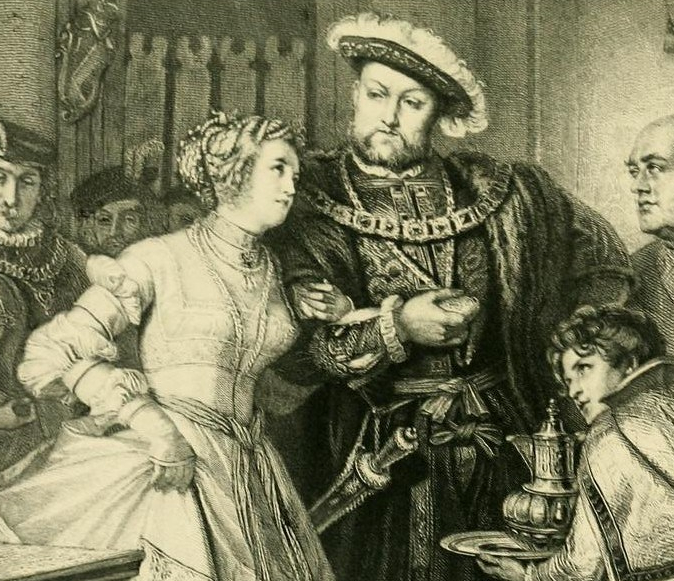
Love Letter Twelve from Henry VIII to Anne Boleyn

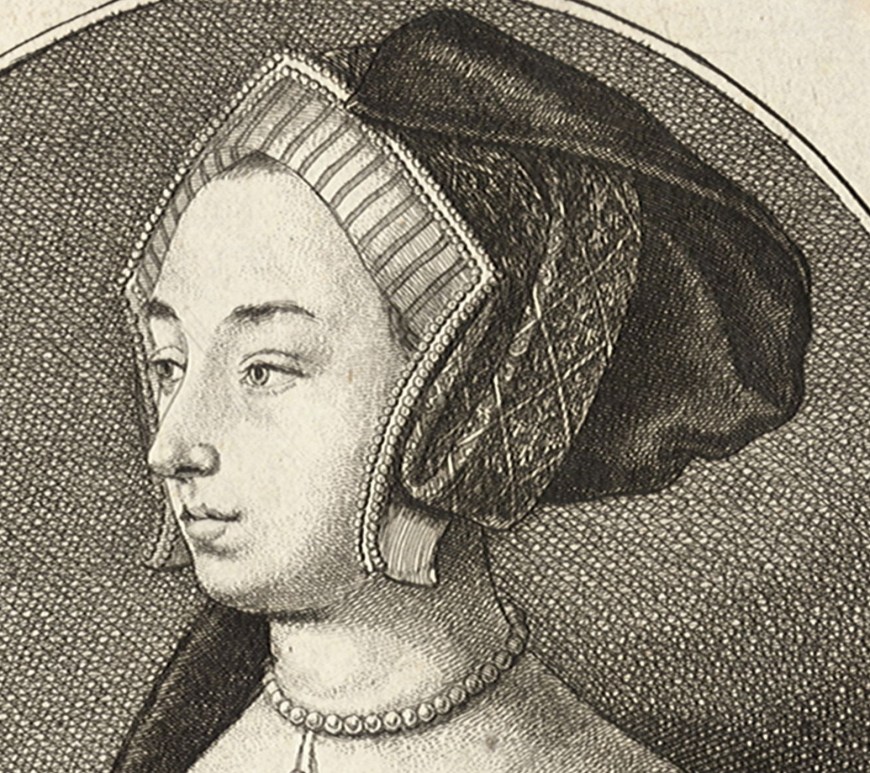
by Heather R. Darsie The twelfth love letter from Henry VIII to Anne Boleyn is a doozy, colloquially speaking. It shows the passion Henry has for Anne, the court intrigues of the Boleyn family, issues Henry had with religious entities in England, and was likely written just before Cardinal Wolsey made a brazen move counter to Henry’s wishes. Let us begin.  Wenceslaus Hollar, via Wikimedia … Continue reading Love Letter Twelve from Henry VIII to Anne Boleyn

Sorrow in the City: Reactions to the End of an Age

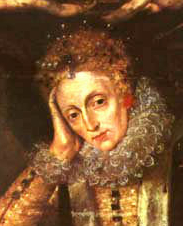
by Heather R. Darsie, J. D.  On 24 March 1603, Elizabeth I died. She was approaching the age of 70 years. “It is not my desire to live or to reign longer than my life and my reign shall be for your good,” said Elizabeth to her parliament in 1601. Upon one of the many times parliament questioned Elizabeth about her plan of succession, she … Continue reading Sorrow in the City: Reactions to the End of an Age

Who was a True Renaissance Prince? Part III: Henry VIII of England

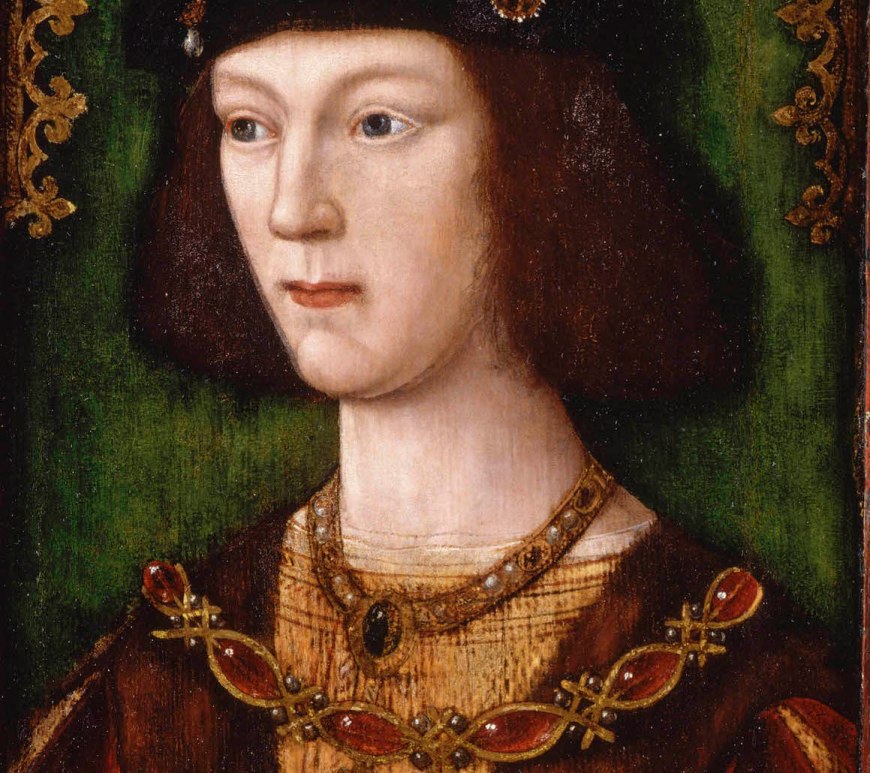
by Heather R. Darsie This is Part III of a four-part series, which seeks to look at what were considered the attributes of a Renaissance prince, and who of our four princes embodied the ideals of the Renaissance best. What were some of those themes? The idea of a Renaissance man stood for a person who strove to embrace knowledge and develop himself. This included … Continue reading Who was a True Renaissance Prince? Part III: Henry VIII of England

The Tomb of Mary, Queen of Scots

by Heather R. Darsie Mary, Queen of Scots lost her life on 8 February 1587. She was not buried for almost a full five months, finally being laid to rest on 5 August 1587 in Peterborough Cathedral. Peterborough Cathedral already had one queen buried there, namely, Katharine of Aragon, buried in 1536. Peterborough Cathedral has an impressive history beginning in 655 BCE, when the site … Continue reading The Tomb of Mary, Queen of Scots

Who was a True Renaissance Prince? Part I: James IV of Scotland

by Heather R. Darsie This is Part I of a four-part series, which seeks to look at what were considered the attributes of a Renaissance prince, and who of our four princes embodied the ideals of the Renaissance best. What were some of those themes? The idea of a Renaissance man stood for a person who strove to embrace knowledge and develop himself. This included … Continue reading Who was a True Renaissance Prince? Part I: James IV of Scotland

Love Letter Nine from Henry VIII to Anne Boleyn: Anne has the Sweat!

by Heather R. Darsie By June 1528, Henry VIII and Anne Boleyn were deeply in love. The dreaded Sweating Sickness, or English Sweat, had tightened its grip in Anne’s household, and she retired to Hever Castle. Anne herself contracted the Sweat. This was very serious news, as the Sweat could kill its victim in less than forty-hours after symptoms appeared. In his fright for Anne’s … Continue reading Love Letter Nine from Henry VIII to Anne Boleyn: Anne has the Sweat!

Thomas Tallis, Tudor Composer

by Heather R. Darsie It is thought that Thomas Tallis, alternatively spelled “Tallys,” could have been born on 30 January 1505, though it is not known for certain. What is known is that Tallis did not die until 1585, and contributed greatly to the development and composition of English choral music. Not much is known about Tallis’ early life. There are no records of his … Continue reading Thomas Tallis, Tudor Composer

Henry VIII’s Second Letter to Anne Boleyn

by Heather R. Darsie There is not much to this letter, and it is perhaps one of the more frustrating letters because Anne’s letters surrounding this one of Henry’s do not exist. The letter is all of one complex sentence long. Henry writes, “Though it is not fitting for a gentleman to take his lady in the place of a servant, yet, complying with your … Continue reading Henry VIII’s Second Letter to Anne Boleyn