1527: ROME HAS BEEN SACKED!

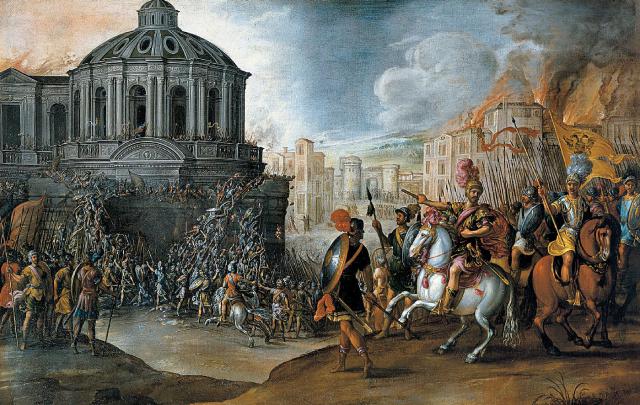
by Heather R. Darsie 6 May 1527. Pope Clement VII had been sitting on St. Peter’s Chair since 19 November 1523.  An illegitimate member of the Medici clan, he was raised by his uncle Lorenzo de’ Medici, known as Lorenzo the Magnificent. His cousin was Pope Leo X, second son of Lorenzo the Magnificent and another Medici. Clement VII was originally trained for military service, … Continue reading 1527: ROME HAS BEEN SACKED!

Il Politico: Niccolò Machiavelli

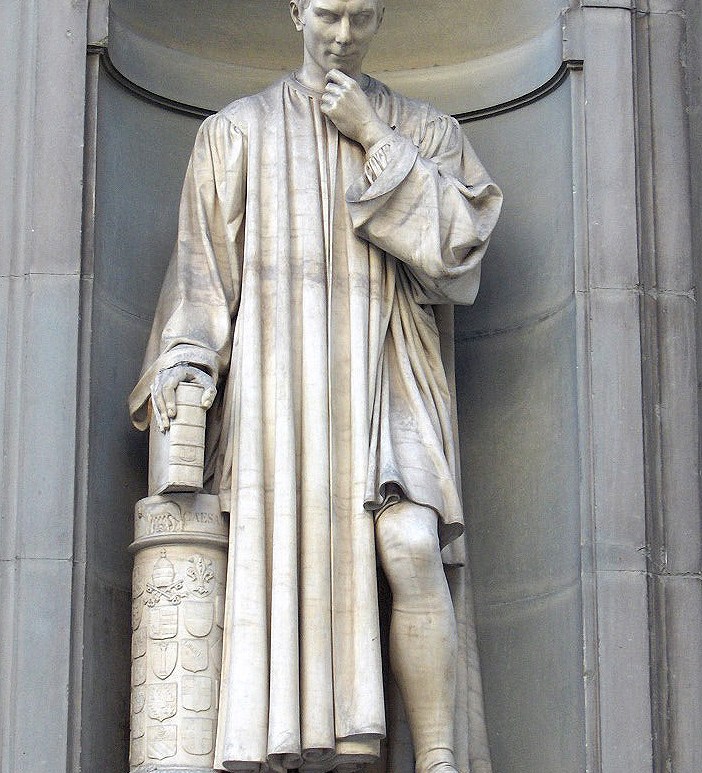
by Heather R. Darsie “Am I politic, am I subtle, am I a Machiavel?”** On 3 May 1469, Bartolomea and Bernardo welcomed their first son, Niccolò di Bernardo dei Machiavelli, in Florence, Italy. By the time of Machiavelli’s birth, Florence was the cultural capital of the Tuscan region and is today regarded as the birthplace of the Italian Renaissance. Starting in 1434, the famed Medici … Continue reading Il Politico: Niccolò Machiavelli

My Adventures with the Duchess of Cleves!

by Heather R. Darsie Dear Reader, thank you so much for your support and interest during my journey to write a biography about Anna of Cleves from the German perspective. My travels took me all over Europe and parts of the US. Below are pictures of me doing Anna-related things, which I would like to share with you.   Here I am at the Louvre, … Continue reading My Adventures with the Duchess of Cleves!

Anne Boleyn and Henry VIII: The Last Love Letter

by Heather R. Darsie Henry VIII of England’s last love letter to Anne Boleyn shows how close and far the couple felt to achieving their purpose of an annulment for Henry from Katharine of Aragon, which would pave the way for Anne to marry Henry. Henry is also chiding Anne just a bit, referencing her “inutile and vain” thoughts, or baseless flights of fancy. He … Continue reading Anne Boleyn and Henry VIII: The Last Love Letter

Henry VIII’s Seventeenth Love Letter to Anne Boleyn

by Heather R. Darsie The seventeenth love letter from Henry VIII of England to Anne Boleyn was likely written in late September 1528 because it mentions the arrival of the papal legate, Cardinal Lorenzo Campeggio. Campeggio was acting legate in Rome for Pope Clement VII after Henry’s nephew through his current marriage to Katharine of Aragon, the Holy Roman Emperor Charles V, sacked Rome in … Continue reading Henry VIII’s Seventeenth Love Letter to Anne Boleyn

Phoenix Birth: Jane Seymour and the Importance of Death and Birth in Tudor England

by Heather R. Darsie Jane Seymour, third wife of Henry VIII and mother of Edward VI, died days after giving birth. An inscription above her grave read: “Here lieth a Phoenix, by whose death Another Phoenix life gave breath: It is to be lamented much The world at once ne’er knew two such.” As queen, Jane’s motto was, “Bound to Obey and Serve.” Her personal … Continue reading Phoenix Birth: Jane Seymour and the Importance of Death and Birth in Tudor England

A Brief Look at Jousting Armor

by Heather R. Darsie Jousting, much like Rugby or American Football, was a full-contact, dangerous sport. Severe injuries and even death were quite common. Henry II of France died in 1559 when a lance’s splinter breached Henry’s helmet and entered his brain by way of the eye.  More like American Football and less like Rugby, individuals participating in the joust wore protection. Turnierbuch Ritterspiele Most … Continue reading A Brief Look at Jousting Armor

Love Letter Sixteen from Henry VIII to Anne Boleyn

by Heather R. Darsie The sixteenth love letter from Henry VIII to Anne Boleyn was written around the middle of September 1528. Pope Clement VII, captured by the Holy Roman Emperor Charles V in June 1527 after the sacking of Rome in May, was still Charles V’s prisoner. The Pope did not return to Rome until October 1528. When Henry wrote this letter, he was … Continue reading Love Letter Sixteen from Henry VIII to Anne Boleyn

The Revenge of Margaret Pole

by Heather R. Darsie In case you missed it on QueenAnneBoleyn.com On 28 July 1540, a great, accomplished man of Tudor Times was beheaded on Tower Hill. That man was Thomas Cromwell, briefly the 1st Earl of Essex, and Henry VIII’s Chief Minister. Cromwell sought to reform and consolidate the legal system the secular legal system and move away from canon law. Cromwell succeeded in establishing … Continue reading The Revenge of Margaret Pole

The End of Kett’s Rebellion

by Heather R. Darsie July, 1549. The almost twelve-years-old Edward VI had been King of England for two-and-a-half years. Landlords had begun enclosing the common lands, which prevented peasants from being able to have a place for their animals to graze. Several landlords had taken to raising sheep, as the English wool trade was growing quite prosperous. This, in concert with a host of other … Continue reading The End of Kett’s Rebellion