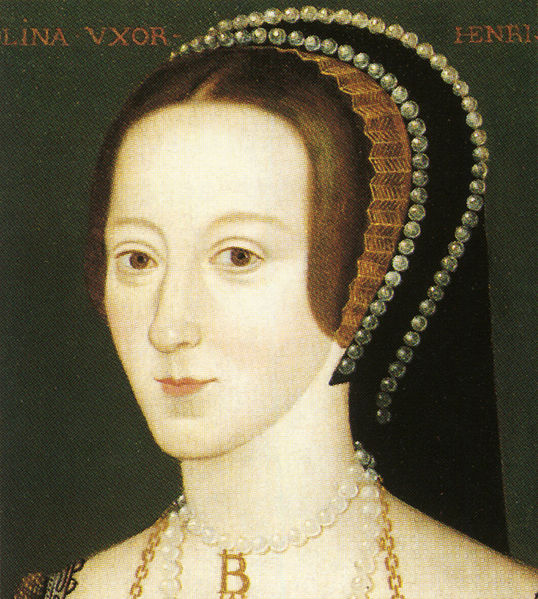
The Annes of Cleves, Part I

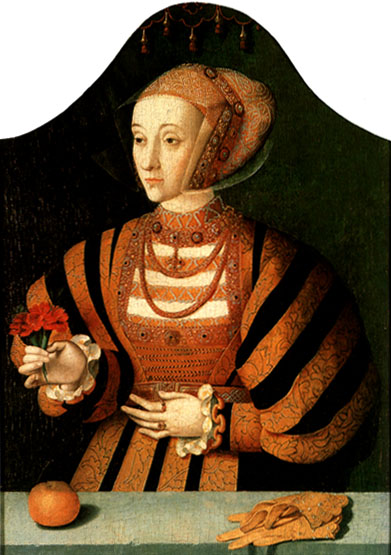
by Heather R. Darsie The name “Anne of Cleves” conjures thoughts of Henry VIII’s allegedly unattractive, unfashionable fourth wife. However, over the span of almost 200 years, there were five women known as “Anne of Cleves.” First we will meet Anne of Burgundy, who by marriage became an Anne of Cleves. For purposes of this article, we will refer to her as “van Kleef.” Next, … Continue reading The Annes of Cleves, Part I

The End of Kett’s Rebellion

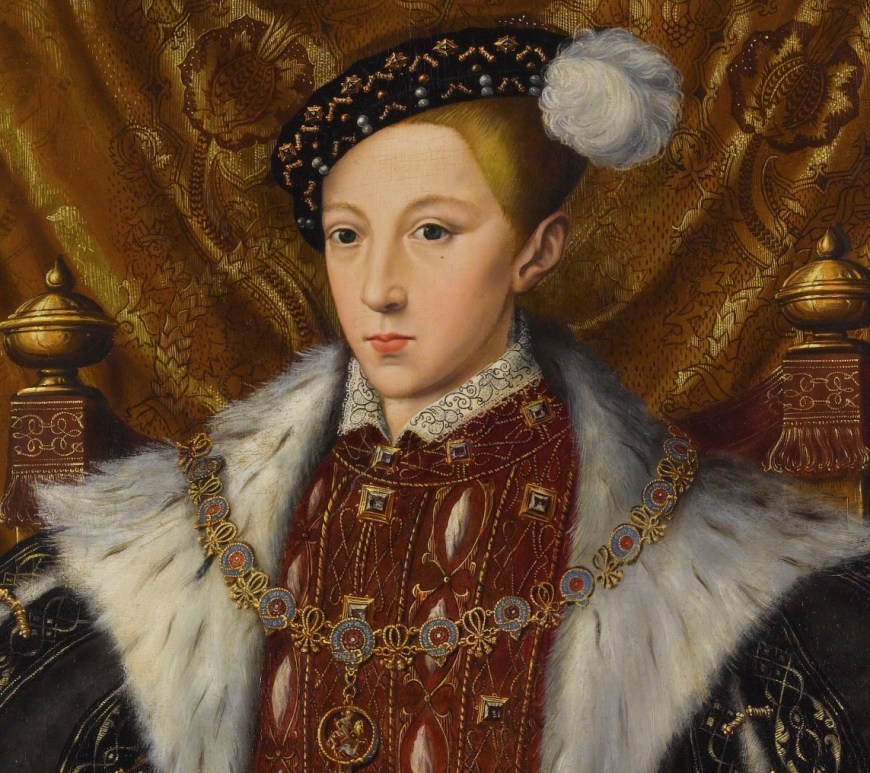
by Heather R. Darsie July, 1549. The almost twelve-years-old Edward VI had been King of England for two-and-a-half years. Landlords had begun enclosing the common lands, which prevented peasants from being able to have a place for their animals to graze. Several landlords had taken to raising sheep, as the English wool trade was growing quite prosperous. This, in concert with a host of other … Continue reading The End of Kett’s Rebellion

La Reine Margot, Part Two

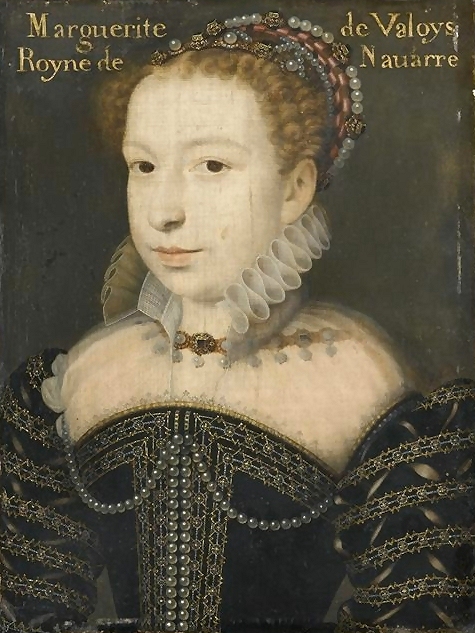
by Heather R. Darsie In case you missed on Tudors Dynasty Life continued to take dramatic turns for Margot after she wed Henry of Navarre. Though she saved his life during the St. Bartholomew’s Day Massacre, she did not care for his Huguenot religion.  Marguerite’s three surviving brothers, King Charles IX, Henry, and Francis (originally named Hercule Francis) used Margot in their various plots. Portrait of … Continue reading La Reine Margot, Part Two

Philip II of Spain, King of Ireland

by Heather R. Darsie In case you missed it on http://queenanneboleyn.com/2017/06/07/philip-ii-spain-king-ireland-heather-r-darsie/ On 7 June 1555, the new Pope Paul IV, who was elected 23 May 1555, issued a papal bull conferring the title of “King of Ireland” on Philip II of Spain.  Philip was twenty-seven years old in July 1554 when he married Mary I of England at Winchester Cathedral. Because of that marriage, Philip was … Continue reading Philip II of Spain, King of Ireland

From the Bestiary: Salamander

by Heather R. Darsie The salamander was regarded as one of the most dangerous beasts alive. The Bestiary states, “The salamander is so called because of its proof against fire; it is the most poisonous of all creatures.” The message is clear: if one sees a salamander, go the other way! This cold animal is nothing but trouble. Kongelige Bibliotek, Gl. kgl. S. 1633 4º, … Continue reading From the Bestiary: Salamander

La Reine Margot, Part I

by Heather R. Darsie As previously seen on Tudors Dynasty Born on 14 May 1553, Marguerite, affectionately known by her nickname of Margot, was the seventh child and third daughter of Henri II of France and Catherine de’ Medici. Margot spent her early life being raised alongside her sisters Claude and Elisabeth. Margot was particularly good with languages, excelling at the international language of Latin, along … Continue reading La Reine Margot, Part I

Desiderius Erasmus, an Exceptional Mind

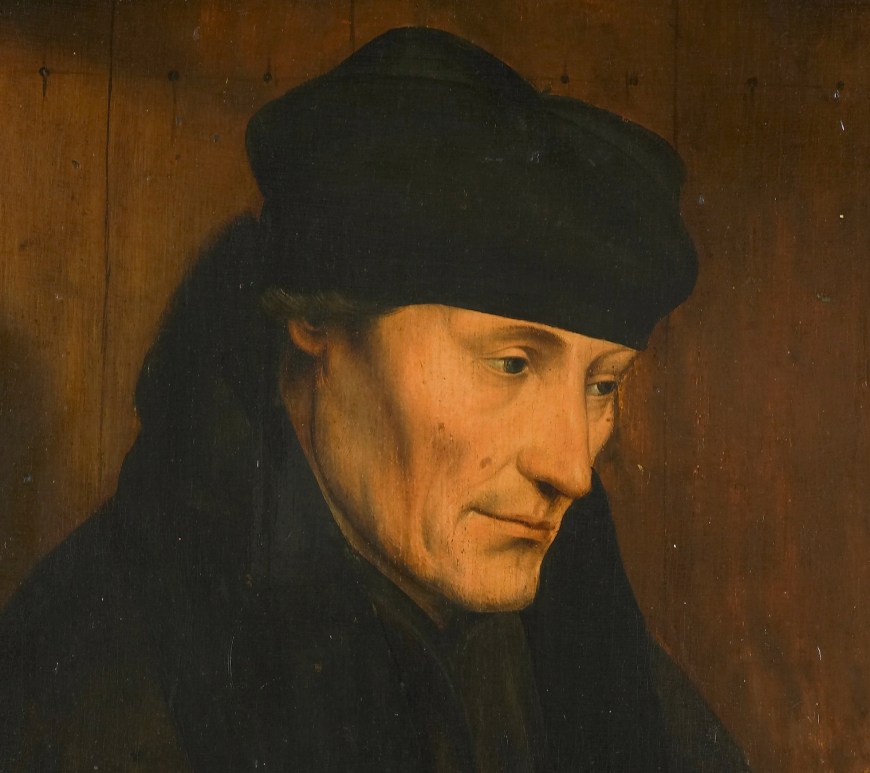
by Heather R. Darsie Erasmus: his name is synonymous with humanism, education, and intelligence. Across Northern Europe several Erasmus programs exist at universities, so students may pursue their studies at multiple universities and in multiple languages. During his lifetime, Erasmus corresponded with such notable people as Sir Thomas Moore and John Colet. Erasmus assisted Hans Holbein in his quest to move to England and influenced … Continue reading Desiderius Erasmus, an Exceptional Mind

Love Letters Fourteen and Fifteen from Henry VIII to Anne Boleyn
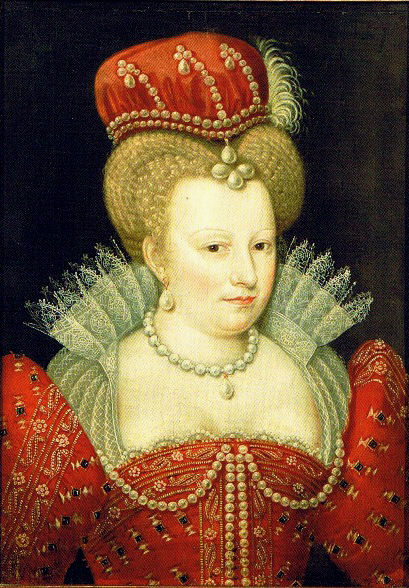
by Heather R. Darsie Letter Fourteen speaks for itself: it seems that someone leaked information about Henry’s desire to meet with Anne Boleyn. Letter Fourteen is one of the shortest, if not indeed the shortest, of Henry VIII’s letters to Anne. It says: “Darling, I heartily recommend me to you, ascertaining you that I am not a little perplexed with such things as your brother … Continue reading Love Letters Fourteen and Fifteen from Henry VIII to Anne Boleyn
The Scots Queen Surrenders: An Overview of the Battle of Carberry Hill

by Heather R. Darsie By 15 June 1567, twenty-four-year-old Mary Stuart had been Queen of Scotland for almost her entire life; never knew her father, James V, because he died when she was six days old; was Queen Consort, then Queen, of France for less than seventeen months; had lost her mother in July 1560; was about to celebrate her son and heir’s first birthday … Continue reading The Scots Queen Surrenders: An Overview of the Battle of Carberry Hill