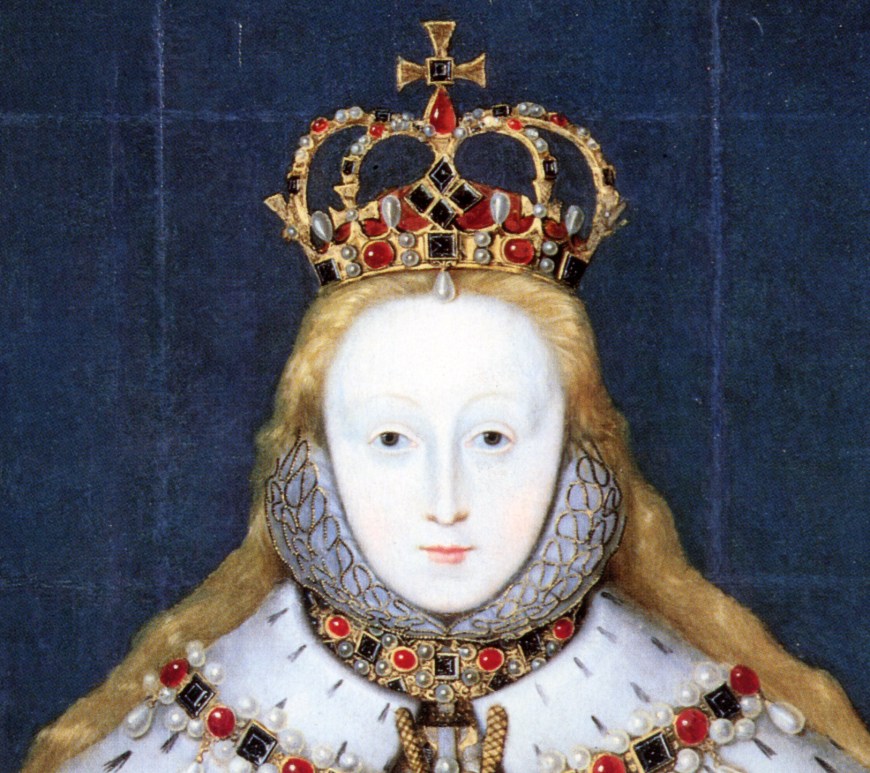
Elizabeth I’s Coronation: A Perspective

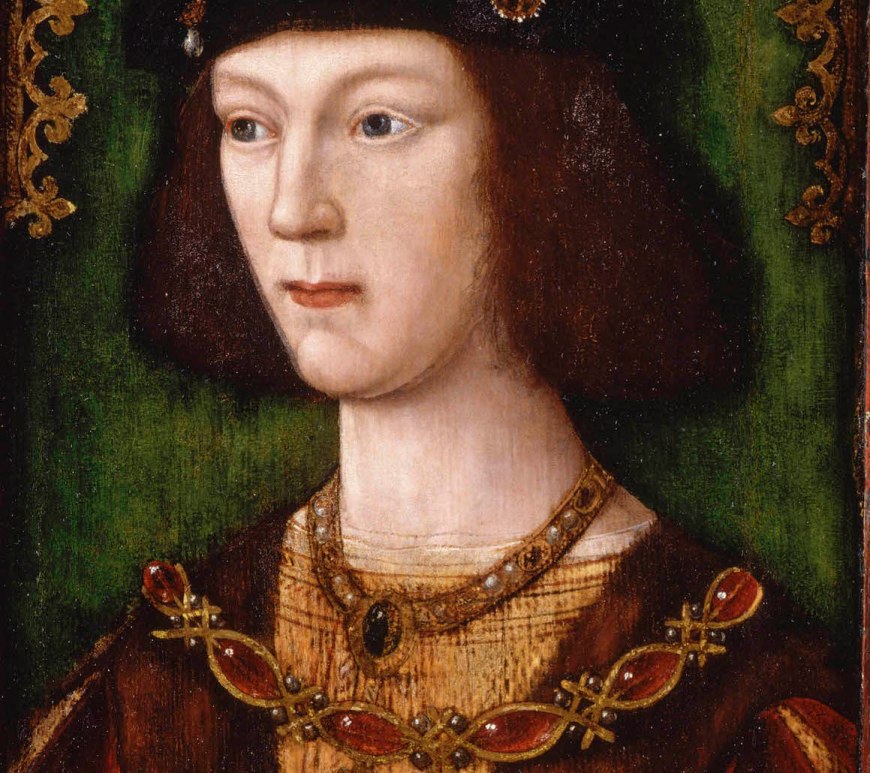
by Heather R. Darsie On Sunday 15 January 1559, Elizabeth Tudor became Elizabeth I, Queen of England, Ireland, and France, Defender of the Faith. Elizabeth had just turned 25 years old that past September. She picked that date under the advice of the court astrologer, John Dee, By the time of her coronation, Elizabeth had outlived her mother, father, legitimate and confirmed illegitimate half-siblings, her … Continue reading Elizabeth I’s Coronation: A Perspective

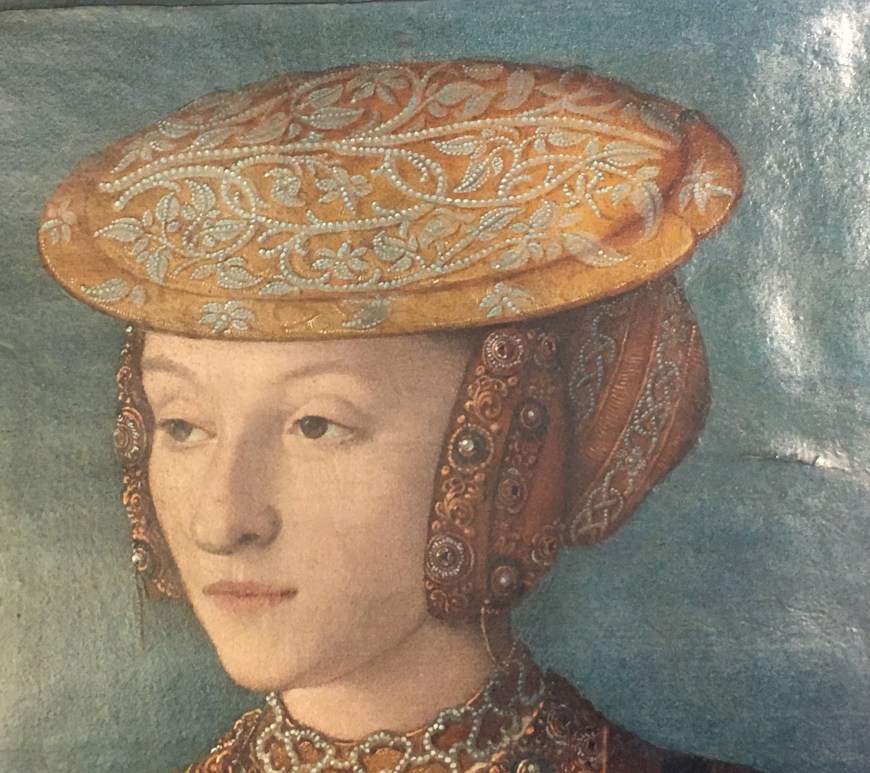
When Henry Met Anna: The German Account

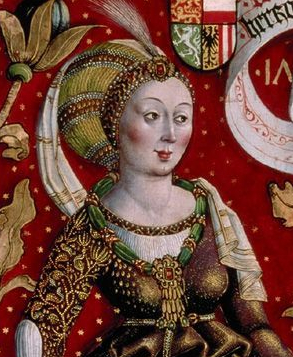
by Heather R. Darsie On 1 January 1540, Henry VIII surprised his new bride, Anna of Cleves. For centuries, it was believed that Henry VIII found Anna of Cleves ugly at worst and was not attracted to her at best. The main sources for this rumor were depositions specifically created for the annulment of their marriage. The depositions were taken in June and July 1540, … Continue reading When Henry Met Anna: The German Account

1519: A Tudor Year in Review

by Heather R. Darsie The year 1519 was a year of massive changes, important births, and important deaths in Western Europe. Some of these impacted Henry VIII’s reign, whilst others did not come meaningfully into play until the reigns of Henry’s daughters. Henry VIII turned 28 years old in 1519, and was still young-minded. Births and Deaths Maximilian I von Habsburg, Holy Roman Emperor, died … Continue reading 1519: A Tudor Year in Review

Anna of Cleves Breaks the News to Wilhelm

by Heather R. Darsie   On 21 July 1540, Anna of Cleves was no longer allowed to hide the truth from her brother Wilhelm about her marriage’s end. Henry had grown impatient waiting for Anna to write her family. Anna waited as long as she could, hoping that Henry would either directly send a letter to Duke Wilhelm in Cleves, or that one of Henry’s … Continue reading Anna of Cleves Breaks the News to Wilhelm

Happy 506th Birthday, Anna of Cleves!

by Heather R. Darsie, J.D. On this day of 28 June in 1515, a little baby girl was born in the Holy Roman Empire whose life would be dramatically shaped by international politics. The baby was christened, “Anna,” after her paternal aunt. “Anna” was a family name on her maternal side, as well. Anna of Cleves’ great-grandmother through Maria of Juelich-Berg was Anna of Saxony. … Continue reading Happy 506th Birthday, Anna of Cleves!

What was the Frauenzimmer?

by Heather R. Darsie Please note that this article originally appeared on Tudors Dynasty. In the 15th century, the word “vrouwenzimmer” slowly entered the German lexicon, becoming a fully-fledged concept by the late 15th to early 16th century. Literally meaning “woman’s room,” the word applied to the secondary court which developed around the women of a noble household. The word “Frau,” now simply meaning a woman … Continue reading What was the Frauenzimmer?

Who were the Landsknechte?

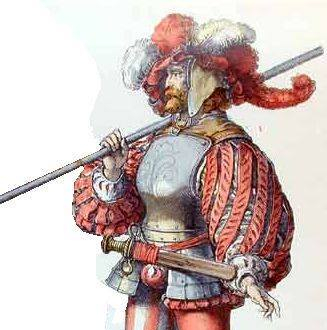
by Heather R. Darsie This article originally appeared on the Henry Tudor Society.  In the 16th century there existed powerful groups of soldiers-for-hire in the Holy Roman Empire called “Landsknechte,” which literally means “country servants.” The singular form of the word is, “Landsknecht.” The word was frequently Anglicized into “lance knights” and Gallicized into “lansquenet.” These mercenaries developed into formidable, well-trained soldiers in the late 15th … Continue reading Who were the Landsknechte?

The First Hint of Trouble: An Early Spat Between the Johann II of Cleves and Elector Frederick of Saxony

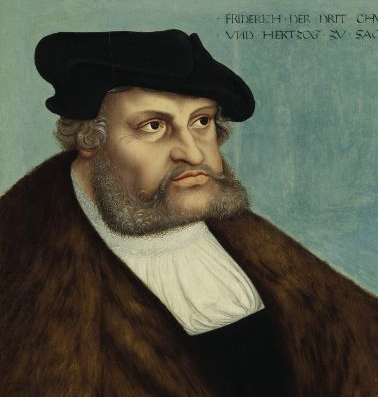
by Heather R. Darsie This article first appeared on History, the Interesting Bits . Throughout the late 15th and early 16th century, various disputes over territory sprung up across the German-speaking portions of the Holy Roman Empire. In 1517, a new facet of rebellion against the Empire was introduced in Saxony when Martin Luther’s 95 Theses became known. Maximilian I was still the Holy Roman Emperor in … Continue reading The First Hint of Trouble: An Early Spat Between the Johann II of Cleves and Elector Frederick of Saxony

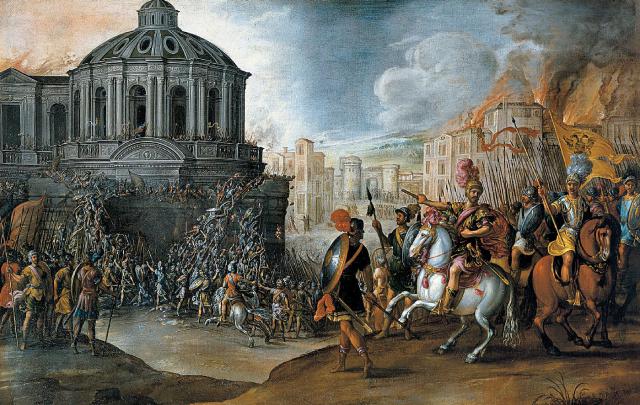
Die Eroberung Roms 1527

geschrieben von Heather R. Darsie mit Unterstützung von Tanja Klimmek 6. Mai 1527. Papst Clemens VII. saß seit dem 19. November 1523 auf dem Petersstuhl. Er war ein uneheliches Mitglied des Medici-Clans und wurde von seinem Onkel Lorenzo de Medici, als Lorenzo der Prächtige, großgezogen. Sein Cousin war Papst Leo X., der zweite Sohn von Lorenzo dem Prächtigen und ein weiterer Medici. Clemens VII. war … Continue reading Die Eroberung Roms 1527

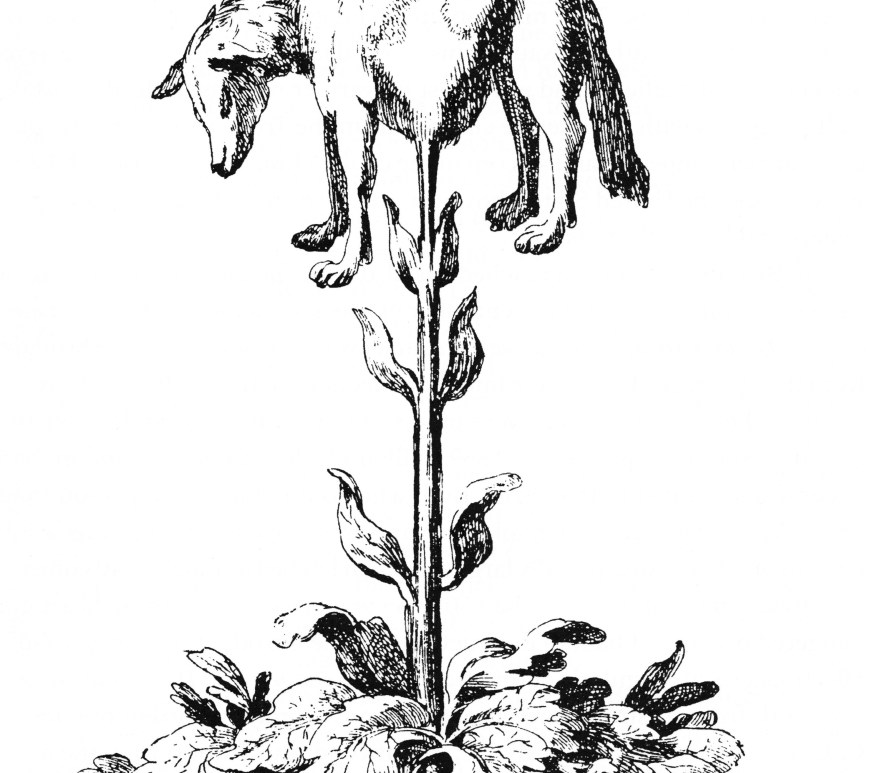
The Scythian Lamb, or the Delectable Lamb-Vegetable of Tartary

by Heather R. Darsie In the Middle Ages, rumour spread that there was a mythological zoophyte known as the Scythian Lamb or the Borametz. Herodotus, from the fifth century BCE and Theophrastus of the third century BCE wrote of the Scythian Lamb, bolstering credibility that such a thing existed. An additional source for the rumour was found in a Jewish text from 436 called, Talmud … Continue reading The Scythian Lamb, or the Delectable Lamb-Vegetable of Tartary