Love Letter the Tenth from Henry VIII to Anne Boleyn

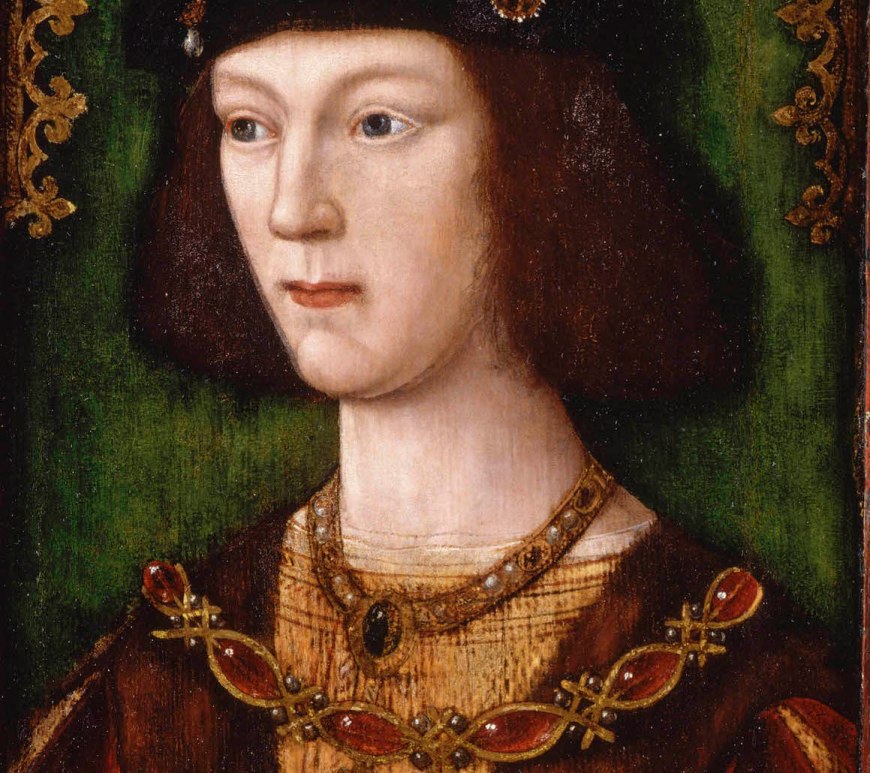
by Heather R. Darsie In case you missed it on http://www.tudorsdynasty.com/the-love-letters-from-henry-viii-to-anne-boleyn/: Henry VIII wrote this letter in June 1528 to his beloved Anne Boleyn during an outbreak of the sweating sickness, showing his characteristic nervousness about Anne. It is unknown whether this letter truly does follow the previous, although it seems that this letter came before the one the author understands to be the ninth letter. … Continue reading Love Letter the Tenth from Henry VIII to Anne Boleyn

Sorrow in the City: Reactions to the End of an Age

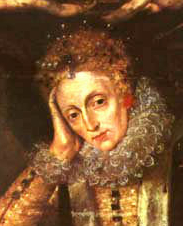
by Heather R. Darsie, J. D.  On 24 March 1603, Elizabeth I died. She was approaching the age of 70 years. “It is not my desire to live or to reign longer than my life and my reign shall be for your good,” said Elizabeth to her parliament in 1601. Upon one of the many times parliament questioned Elizabeth about her plan of succession, she … Continue reading Sorrow in the City: Reactions to the End of an Age

An Italian Tudor at the Doge’s Court

by Heather R. Darsie In an unassuming hallway leading visitors to the Doge’s Palace in Venice, Italy from the Staircase of Giants and out through the Porta della Carta, there is an extraordinary feature adorning the ceiling not once, but twice: a Tudor rose. Or so it appears. Via Wikimedia Commons. Daniele Barbaro was a Venetian Cardinal, who was born in 1514 and passed away … Continue reading An Italian Tudor at the Doge’s Court

The Iberian House of Trastamara

by Heather R. Darsie When thinking about the important players of the Renaissance, particularly during the reign of Henry VIII of England, one recalls the powerful families of the English Tudors, French Valois, and Burgundian Habsburgs. The family that is even more influential, even if quietly, is the overlooked Trastámaras of Spain. This family married into the Tudor, Valois, and Habsburg families, among others, and … Continue reading The Iberian House of Trastamara

Who was a True Renaissance Prince? Part IV: Charles V, Holy Roman Emperor

by Heather R. Darsie This is Part IV of a four-part series, which seeks to look at what were considered the attributes of a Renaissance prince, and who of our four princes embodied the ideals of the Renaissance best. What were some of those themes? The idea of a Renaissance man stood for a person who strove to embrace knowledge and develop himself. This included … Continue reading Who was a True Renaissance Prince? Part IV: Charles V, Holy Roman Emperor

Who was a True Renaissance Prince? Part III: Henry VIII of England

by Heather R. Darsie This is Part III of a four-part series, which seeks to look at what were considered the attributes of a Renaissance prince, and who of our four princes embodied the ideals of the Renaissance best. What were some of those themes? The idea of a Renaissance man stood for a person who strove to embrace knowledge and develop himself. This included … Continue reading Who was a True Renaissance Prince? Part III: Henry VIII of England

The Tomb of Mary, Queen of Scots

by Heather R. Darsie Mary, Queen of Scots lost her life on 8 February 1587. She was not buried for almost a full five months, finally being laid to rest on 5 August 1587 in Peterborough Cathedral. Peterborough Cathedral already had one queen buried there, namely, Katharine of Aragon, buried in 1536. Peterborough Cathedral has an impressive history beginning in 655 BCE, when the site … Continue reading The Tomb of Mary, Queen of Scots

Who was a True Renaissance Prince? Part II: Francis I of France

by Heather R. Darsie This is Part II of a four-part series, which seeks to look at what were considered the attributes of a Renaissance prince, and who of our four princes embodied the ideals of the Renaissance best. What were some of those themes? The idea of a Renaissance man stood for a person who strove to embrace knowledge and develop himself. This included … Continue reading Who was a True Renaissance Prince? Part II: Francis I of France

Who was a True Renaissance Prince? Part I: James IV of Scotland

by Heather R. Darsie This is Part I of a four-part series, which seeks to look at what were considered the attributes of a Renaissance prince, and who of our four princes embodied the ideals of the Renaissance best. What were some of those themes? The idea of a Renaissance man stood for a person who strove to embrace knowledge and develop himself. This included … Continue reading Who was a True Renaissance Prince? Part I: James IV of Scotland