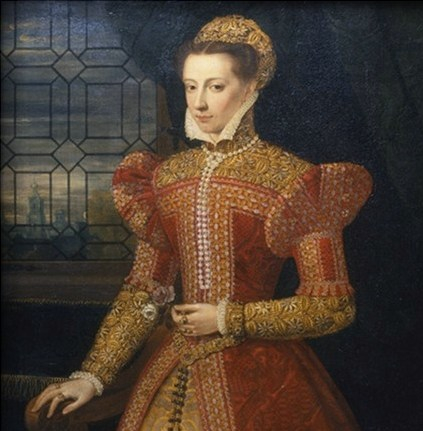
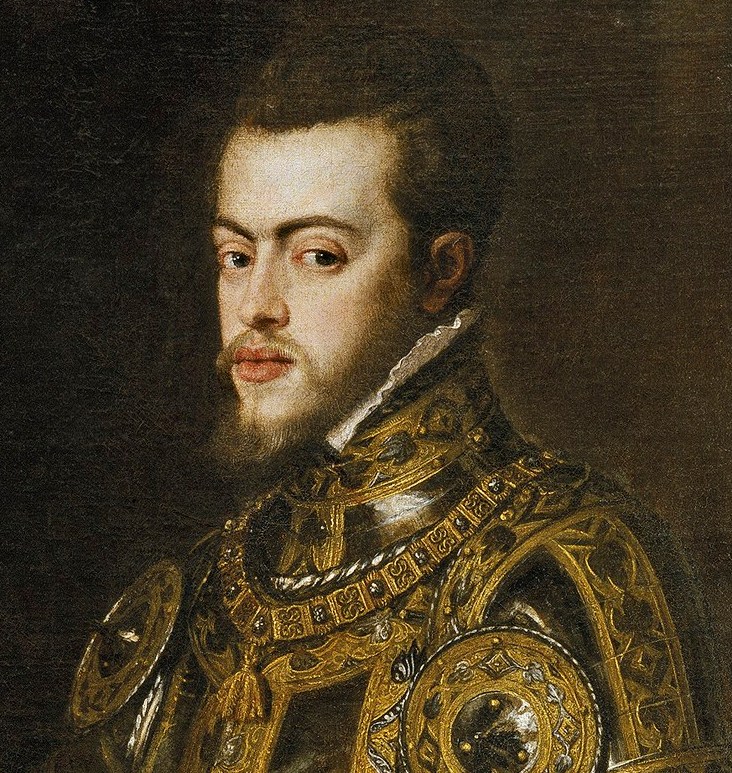
Who was a True Renaissance Prince? Part IV: Charles V, Holy Roman Emperor

by Heather R. Darsie This is Part IV of a four-part series, which seeks to look at what were considered the attributes of a Renaissance prince, and who of our four princes embodied the ideals of the Renaissance best. What were some of those themes? The idea of a Renaissance man stood for a person who strove to embrace knowledge and develop himself. This included … Continue reading Who was a True Renaissance Prince? Part IV: Charles V, Holy Roman Emperor

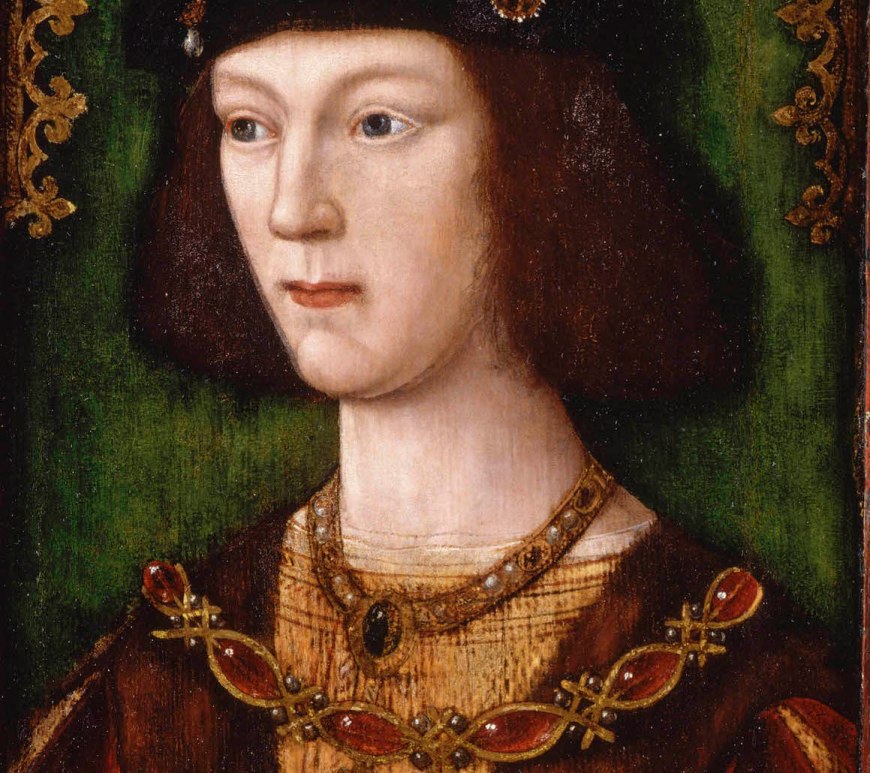
Who was a True Renaissance Prince? Part III: Henry VIII of England

by Heather R. Darsie This is Part III of a four-part series, which seeks to look at what were considered the attributes of a Renaissance prince, and who of our four princes embodied the ideals of the Renaissance best. What were some of those themes? The idea of a Renaissance man stood for a person who strove to embrace knowledge and develop himself. This included … Continue reading Who was a True Renaissance Prince? Part III: Henry VIII of England

The Tomb of Mary, Queen of Scots

by Heather R. Darsie Mary, Queen of Scots lost her life on 8 February 1587. She was not buried for almost a full five months, finally being laid to rest on 5 August 1587 in Peterborough Cathedral. Peterborough Cathedral already had one queen buried there, namely, Katharine of Aragon, buried in 1536. Peterborough Cathedral has an impressive history beginning in 655 BCE, when the site … Continue reading The Tomb of Mary, Queen of Scots

Who was a True Renaissance Prince? Part II: Francis I of France

by Heather R. Darsie This is Part II of a four-part series, which seeks to look at what were considered the attributes of a Renaissance prince, and who of our four princes embodied the ideals of the Renaissance best. What were some of those themes? The idea of a Renaissance man stood for a person who strove to embrace knowledge and develop himself. This included … Continue reading Who was a True Renaissance Prince? Part II: Francis I of France

Who was a True Renaissance Prince? Part I: James IV of Scotland

by Heather R. Darsie This is Part I of a four-part series, which seeks to look at what were considered the attributes of a Renaissance prince, and who of our four princes embodied the ideals of the Renaissance best. What were some of those themes? The idea of a Renaissance man stood for a person who strove to embrace knowledge and develop himself. This included … Continue reading Who was a True Renaissance Prince? Part I: James IV of Scotland

Thomas Tallis, Tudor Composer

by Heather R. Darsie It is thought that Thomas Tallis, alternatively spelled “Tallys,” could have been born on 30 January 1505, though it is not known for certain. What is known is that Tallis did not die until 1585, and contributed greatly to the development and composition of English choral music. Not much is known about Tallis’ early life. There are no records of his … Continue reading Thomas Tallis, Tudor Composer

Why do We Kiss Under the Mistletoe?

by Heather R. Darsie   Oh, the romantic kiss under the mistletoe. The viridian, sturdy, parasitic mistletoe. Varieties of the plant are found all over the world, growing on trees and shrubs. The mistletoe eventually kills the branch of the host plant upon which it is preying, feeding on the host plant throughout the winter. Mistletoe is an Anglo-Saxon word meaning “dung twig.” So how … Continue reading Why do We Kiss Under the Mistletoe?

Martin Luther’s Influence on the German Language

by Heather R. Darsie “When you go to bed in the evening, take something from the Holy Scripture with you to bed, in order to consider it in your heart and – the same as an animal – ruminate over it and gently fall asleep. It should not be much, but rather a little, but a good thing to go through and understand. And when … Continue reading Martin Luther’s Influence on the German Language

The Four Wives of Philip II

by Heather R. Darsie In case you missed it earlier this week on QueenAnneBoleyn.com  , have a look! The lives of Henry VIII of England’s six wives are much-chronicled, with myriad books, shows, art, and the like, depicting and dramatizing key moments in each woman’s life. Another man had almost as many wives, though their respective demises were much less salacious than those of Henry’s. … Continue reading The Four Wives of Philip II

Quixotic Musings: the Adventurous Life of Miguel de Cervantes Saavedra

  By Juan de Jauregui y Aguilar (circa 1583 – 1641) (The Bridgeman Art Library, Object 108073) Miguel de Cervantes Saavedra, author of Don Quixote, died on 22 or 23 April 1616 in Madrid. Born in about 1547 to a deaf surgeon, Cervantes spent his childhood in poverty. The profession of surgeon was not at all high-paying. Cervantes’ exact date of birth is unknown, but … Continue reading Quixotic Musings: the Adventurous Life of Miguel de Cervantes Saavedra