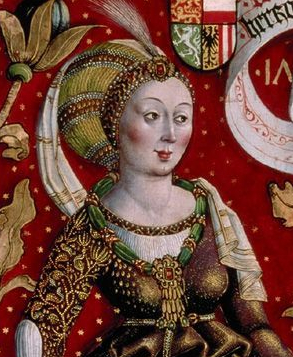
What was the Frauenzimmer?

by Heather R. Darsie Please note that this article originally appeared on Tudors Dynasty. In the 15th century, the word “vrouwenzimmer” slowly entered the German lexicon, becoming a fully-fledged concept by the late 15th to early 16th century. Literally meaning “woman’s room,” the word applied to the secondary court which developed around the women of a noble household. The word “Frau,” now simply meaning a woman … Continue reading What was the Frauenzimmer?

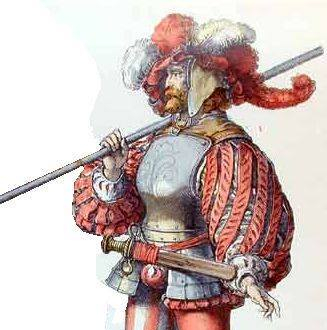
Who were the Landsknechte?

by Heather R. Darsie This article originally appeared on the Henry Tudor Society.  In the 16th century there existed powerful groups of soldiers-for-hire in the Holy Roman Empire called “Landsknechte,” which literally means “country servants.” The singular form of the word is, “Landsknecht.” The word was frequently Anglicized into “lance knights” and Gallicized into “lansquenet.” These mercenaries developed into formidable, well-trained soldiers in the late 15th … Continue reading Who were the Landsknechte?

The Habsburg-Valois Wars

by Heather R. Darsie The Habsburg-Valois Wars were part of another series of wars. The Italian Wars took place from 1494 to 1559, where the parties struggled for control of the Italian peninsula. The Italian Wars initially started over a spat between Pope Innocent VIII and Ferdinand I of Naples. Ferdinand I did not pay its dues to the Pope, who turned around and excommunicated … Continue reading The Habsburg-Valois Wars

The Charming Side of Charles V

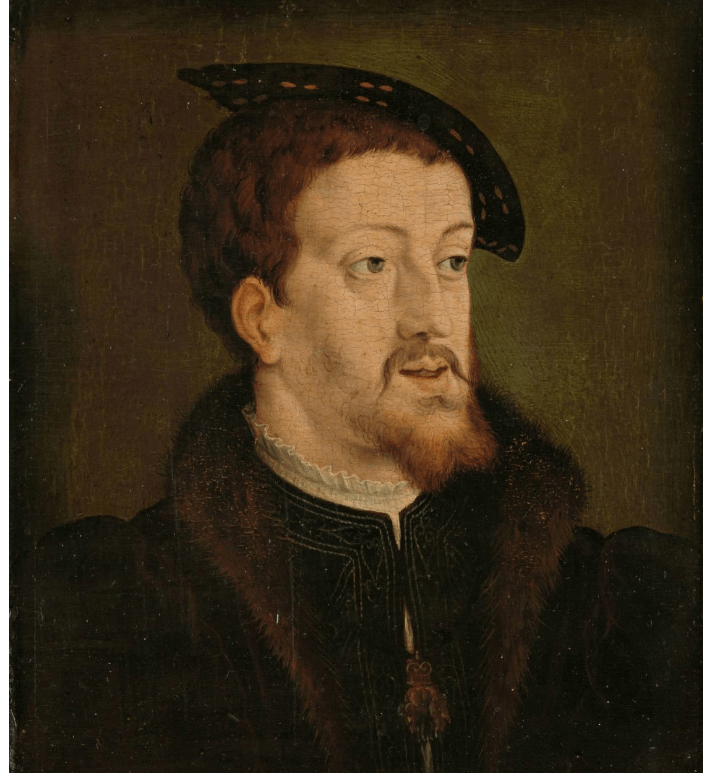
by Heather R. Darsie ** Please note that this originally appeared on https://samanthawilcoxson.blogspot.com/   While researching for Anna, Duchess of Cleves: The King’s ‘Beloved Sister’, I came across a couple anecdotes about Charles V’s character. I envisioned him before I started writing Anna, Duchess of Cleves as someone who was very stiff and did not relate well to his sisters. During the negotiations which led to … Continue reading The Charming Side of Charles V

The First Hint of Trouble: An Early Spat Between the Johann II of Cleves and Elector Frederick of Saxony

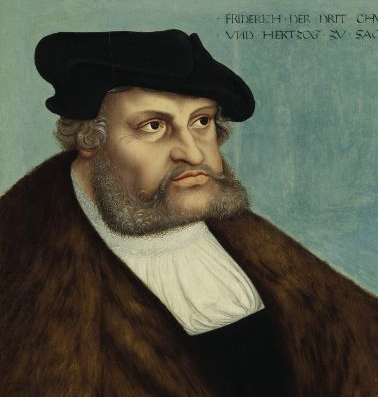
by Heather R. Darsie This article first appeared on History, the Interesting Bits . Throughout the late 15th and early 16th century, various disputes over territory sprung up across the German-speaking portions of the Holy Roman Empire. In 1517, a new facet of rebellion against the Empire was introduced in Saxony when Martin Luther’s 95 Theses became known. Maximilian I was still the Holy Roman Emperor in … Continue reading The First Hint of Trouble: An Early Spat Between the Johann II of Cleves and Elector Frederick of Saxony

Anna of Cleves’ Maternal Grandparents: Wilhelm IV and III of Jülich-Berg and Sibylle of Brandenburg

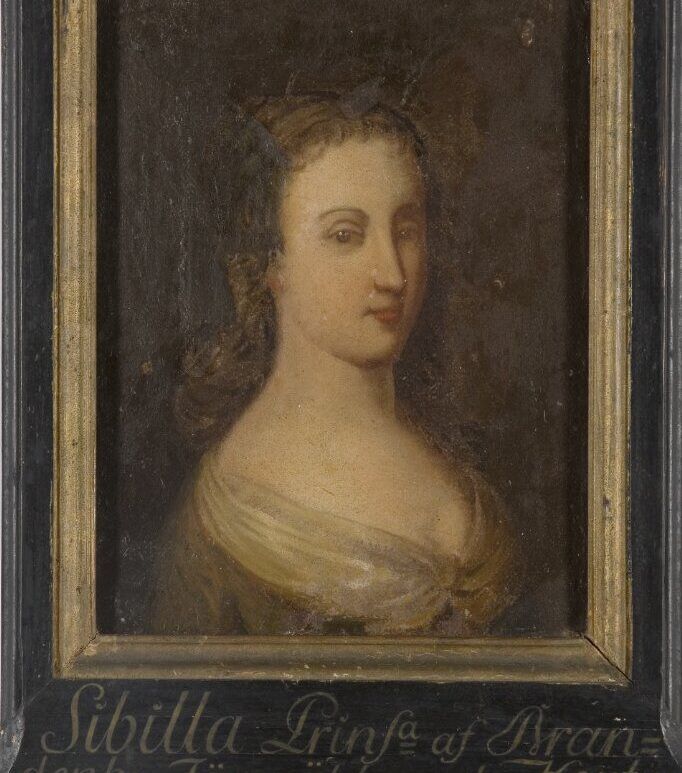
by Heather R. Darsie, J. D. Wilhelm of Jülich-Berg was born 9 January 1455 to Gerhard of Jülich-Berg, from the Heimbach branch of the Dukes of Jülich. Gerhard was the son of Wilhelm of Ravensberg and Adelheid von Tecklenburg. When Gerhard’s uncle Adolf of Ravensberg, who eventually became the Duke of Jülich-Berg-Ravensberg, passed away without male issue in 1437, Gerhard became duke. During the late … Continue reading Anna of Cleves’ Maternal Grandparents: Wilhelm IV and III of Jülich-Berg and Sibylle of Brandenburg

Die Eroberung Roms 1527

geschrieben von Heather R. Darsie mit Unterstützung von Tanja Klimmek 6. Mai 1527. Papst Clemens VII. saß seit dem 19. November 1523 auf dem Petersstuhl. Er war ein uneheliches Mitglied des Medici-Clans und wurde von seinem Onkel Lorenzo de Medici, als Lorenzo der Prächtige, großgezogen. Sein Cousin war Papst Leo X., der zweite Sohn von Lorenzo dem Prächtigen und ein weiterer Medici. Clemens VII. war … Continue reading Die Eroberung Roms 1527

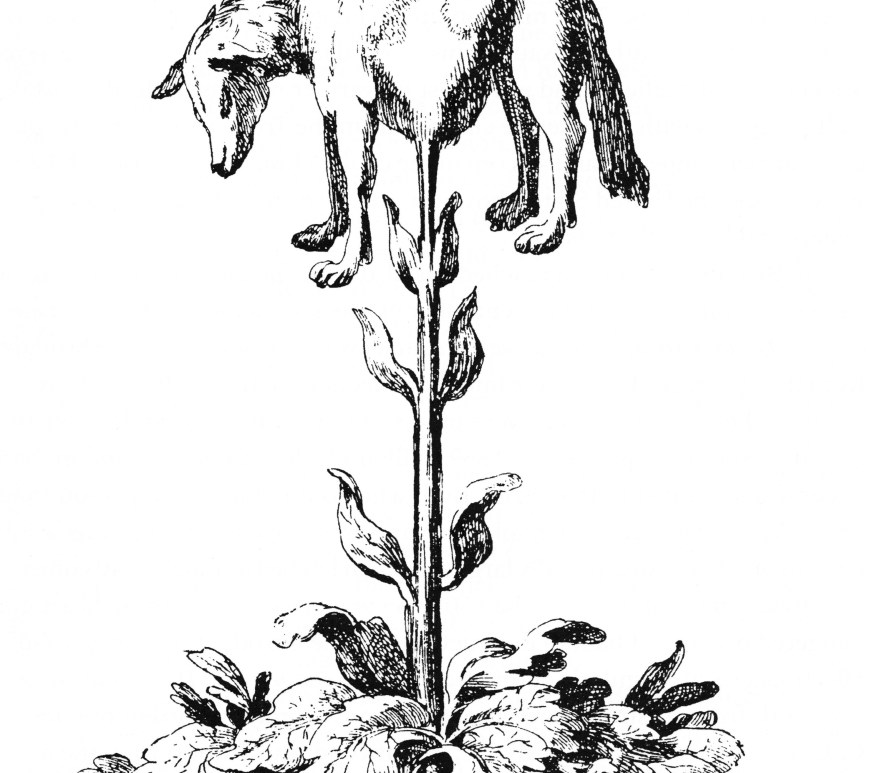
The Scythian Lamb, or the Delectable Lamb-Vegetable of Tartary

by Heather R. Darsie In the Middle Ages, rumour spread that there was a mythological zoophyte known as the Scythian Lamb or the Borametz. Herodotus, from the fifth century BCE and Theophrastus of the third century BCE wrote of the Scythian Lamb, bolstering credibility that such a thing existed. An additional source for the rumour was found in a Jewish text from 436 called, Talmud … Continue reading The Scythian Lamb, or the Delectable Lamb-Vegetable of Tartary

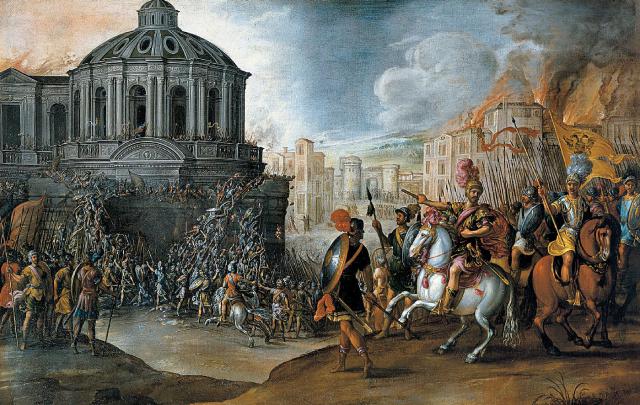
1527: ROME HAS BEEN SACKED!

by Heather R. Darsie 6 May 1527. Pope Clement VII had been sitting on St. Peter’s Chair since 19 November 1523.  An illegitimate member of the Medici clan, he was raised by his uncle Lorenzo de’ Medici, known as Lorenzo the Magnificent. His cousin was Pope Leo X, second son of Lorenzo the Magnificent and another Medici. Clement VII was originally trained for military service, … Continue reading 1527: ROME HAS BEEN SACKED!

Christina of Denmark, Duchess of Milan and Lorraine, Lady of Tortona

by Heather R. Darsie Christina Oldenburg, born a Princess of Denmark and Norway, entered the world in November of 1521 or 1522. Being the daughter of Isabella of Austria, Christina was the niece to the Holy Roman Emperor Charles V. Her father was King Christian II of Denmark and Norway. Christian II was deposed in January 1523, when the infant Christina was still quite small, … Continue reading Christina of Denmark, Duchess of Milan and Lorraine, Lady of Tortona