Happy 505th Birthday, Anna of Cleves!

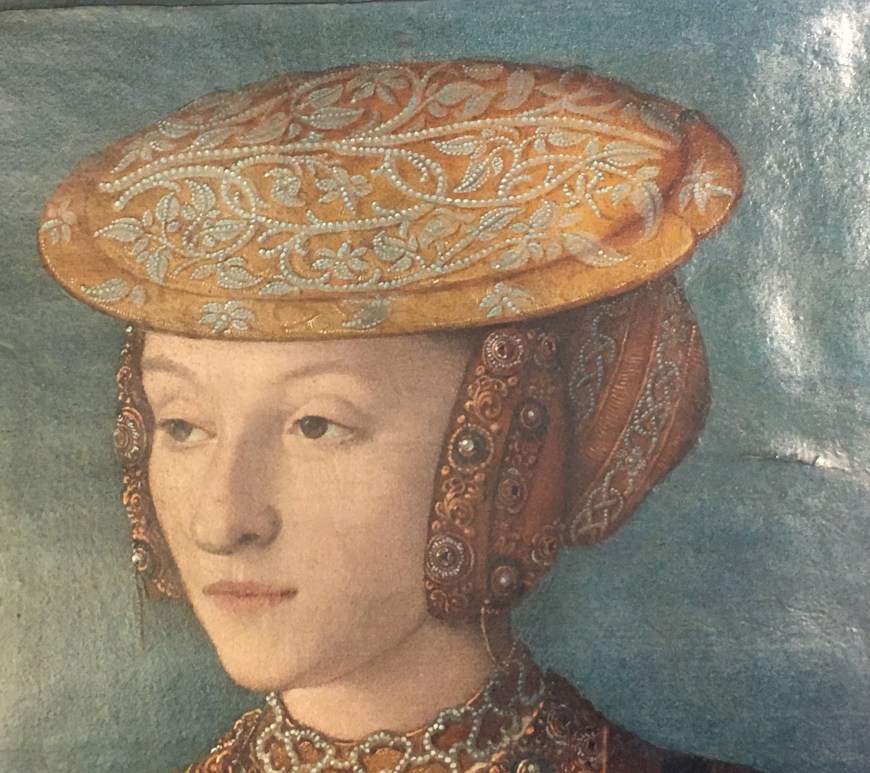
by Heather R. Darsie On this day of 28 June in 1515, a little baby girl was born in the Holy Roman Empire whose life would be dramatically shaped by international politics. The baby was christened, “Anna,” after her paternal aunt. “Anna” was a family name on her maternal side, as well. Anna of Cleves’ great-grandmother through Maria of Juelich-Berg was Anna of Saxony. Anna … Continue reading Happy 505th Birthday, Anna of Cleves!

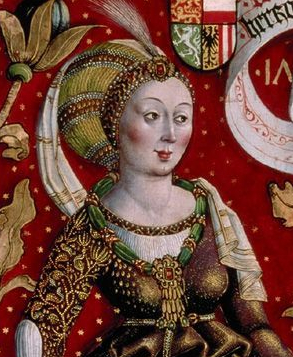
Happy 506th Birthday, Anna of Cleves!

by Heather R. Darsie, J.D. On this day of 28 June in 1515, a little baby girl was born in the Holy Roman Empire whose life would be dramatically shaped by international politics. The baby was christened, “Anna,” after her paternal aunt. “Anna” was a family name on her maternal side, as well. Anna of Cleves’ great-grandmother through Maria of Juelich-Berg was Anna of Saxony. … Continue reading Happy 506th Birthday, Anna of Cleves!

What was the Frauenzimmer?

by Heather R. Darsie Please note that this article originally appeared on Tudors Dynasty. In the 15th century, the word “vrouwenzimmer” slowly entered the German lexicon, becoming a fully-fledged concept by the late 15th to early 16th century. Literally meaning “woman’s room,” the word applied to the secondary court which developed around the women of a noble household. The word “Frau,” now simply meaning a woman … Continue reading What was the Frauenzimmer?

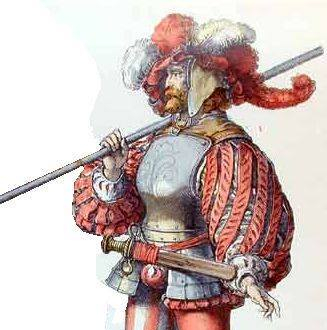
Who were the Landsknechte?

by Heather R. Darsie This article originally appeared on the Henry Tudor Society.  In the 16th century there existed powerful groups of soldiers-for-hire in the Holy Roman Empire called “Landsknechte,” which literally means “country servants.” The singular form of the word is, “Landsknecht.” The word was frequently Anglicized into “lance knights” and Gallicized into “lansquenet.” These mercenaries developed into formidable, well-trained soldiers in the late 15th … Continue reading Who were the Landsknechte?

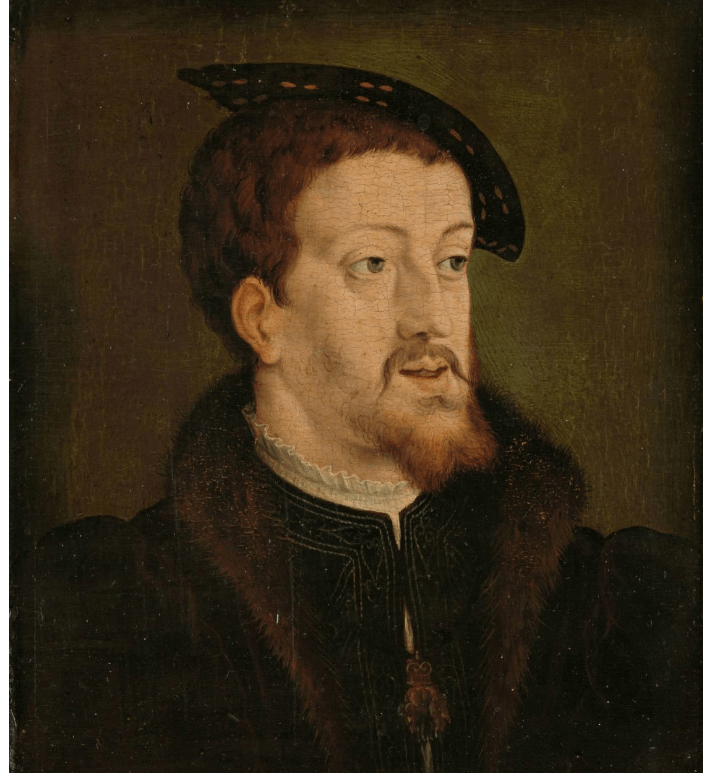
The Charming Side of Charles V

by Heather R. Darsie ** Please note that this originally appeared on https://samanthawilcoxson.blogspot.com/   While researching for Anna, Duchess of Cleves: The King’s ‘Beloved Sister’, I came across a couple anecdotes about Charles V’s character. I envisioned him before I started writing Anna, Duchess of Cleves as someone who was very stiff and did not relate well to his sisters. During the negotiations which led to … Continue reading The Charming Side of Charles V

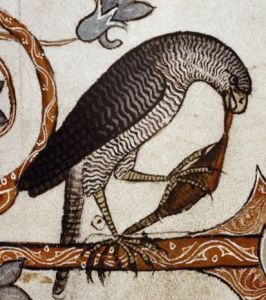
How to Train Your Hawk: A 15th Century English Prioress’ Guide

by Heather R. Darsie This weekend when I was researching for my new book, anticipated in Summer 2021, I stumbled across a curious book from the 15th century. It is called, Book of Hawking, Hunting, and Heraldry. The book was printed in 1496 at Westminster by Wykyn de Worde, who also published an account of Anne Boleyn’s coronation. Even more interesting were the hand-written notes at the … Continue reading How to Train Your Hawk: A 15th Century English Prioress’ Guide

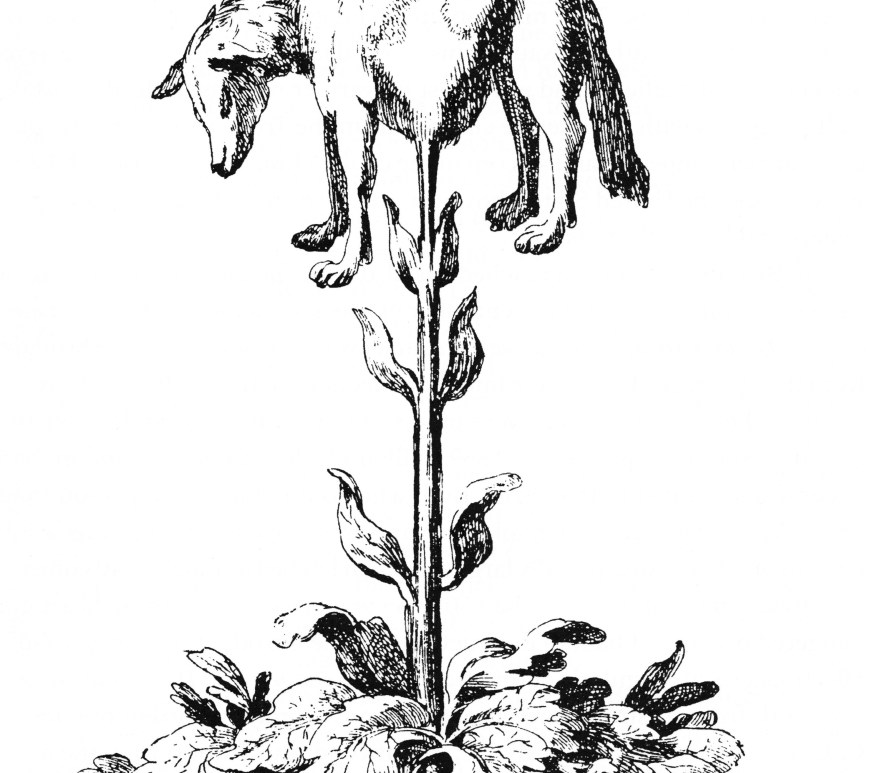
The Scythian Lamb, or the Delectable Lamb-Vegetable of Tartary

by Heather R. Darsie In the Middle Ages, rumour spread that there was a mythological zoophyte known as the Scythian Lamb or the Borametz. Herodotus, from the fifth century BCE and Theophrastus of the third century BCE wrote of the Scythian Lamb, bolstering credibility that such a thing existed. An additional source for the rumour was found in a Jewish text from 436 called, Talmud … Continue reading The Scythian Lamb, or the Delectable Lamb-Vegetable of Tartary

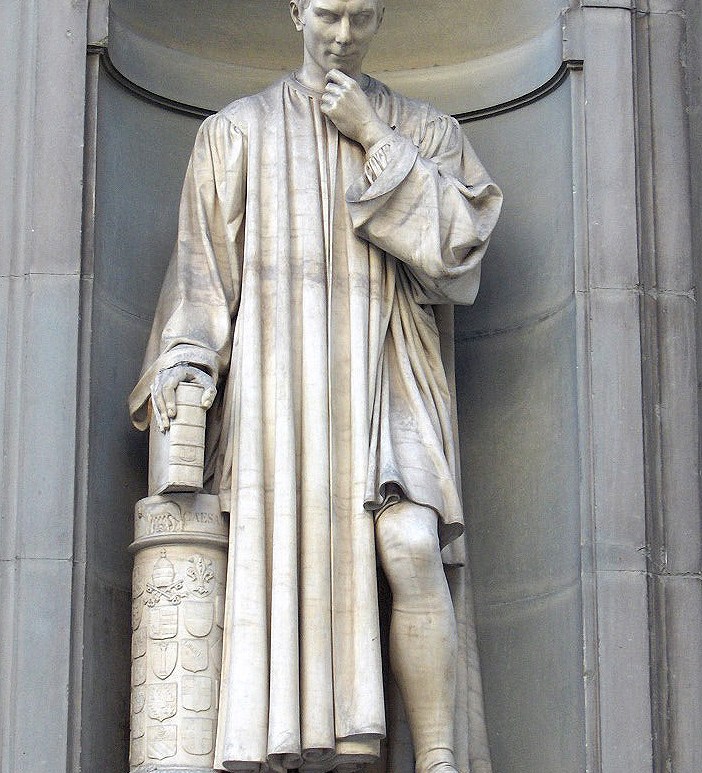
Il Politico: Niccolò Machiavelli

by Heather R. Darsie “Am I politic, am I subtle, am I a Machiavel?”** On 3 May 1469, Bartolomea and Bernardo welcomed their first son, Niccolò di Bernardo dei Machiavelli, in Florence, Italy. By the time of Machiavelli’s birth, Florence was the cultural capital of the Tuscan region and is today regarded as the birthplace of the Italian Renaissance. Starting in 1434, the famed Medici … Continue reading Il Politico: Niccolò Machiavelli

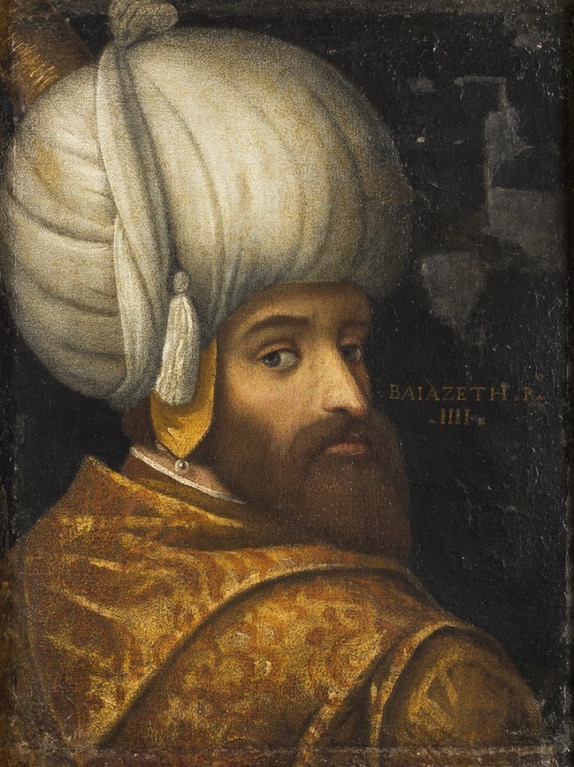
Who’s Afraid of the Big, Bad Turks? Part I: Background of the Turkish, Ottoman Empire

by Heather R. Darsie The Ottoman Empire was founded in 1299 by Osman Uthman. Uthman’s name was transliterated into “Ottoman,” giving the Empire its name. For perspective, Edward I, known as Longshanks, was King of England. Philip IV, known as the Fair, was King of France, and Albert I was the Holy Roman Emperor. No one had given any thought to the Tudors, the Valois, … Continue reading Who’s Afraid of the Big, Bad Turks? Part I: Background of the Turkish, Ottoman Empire